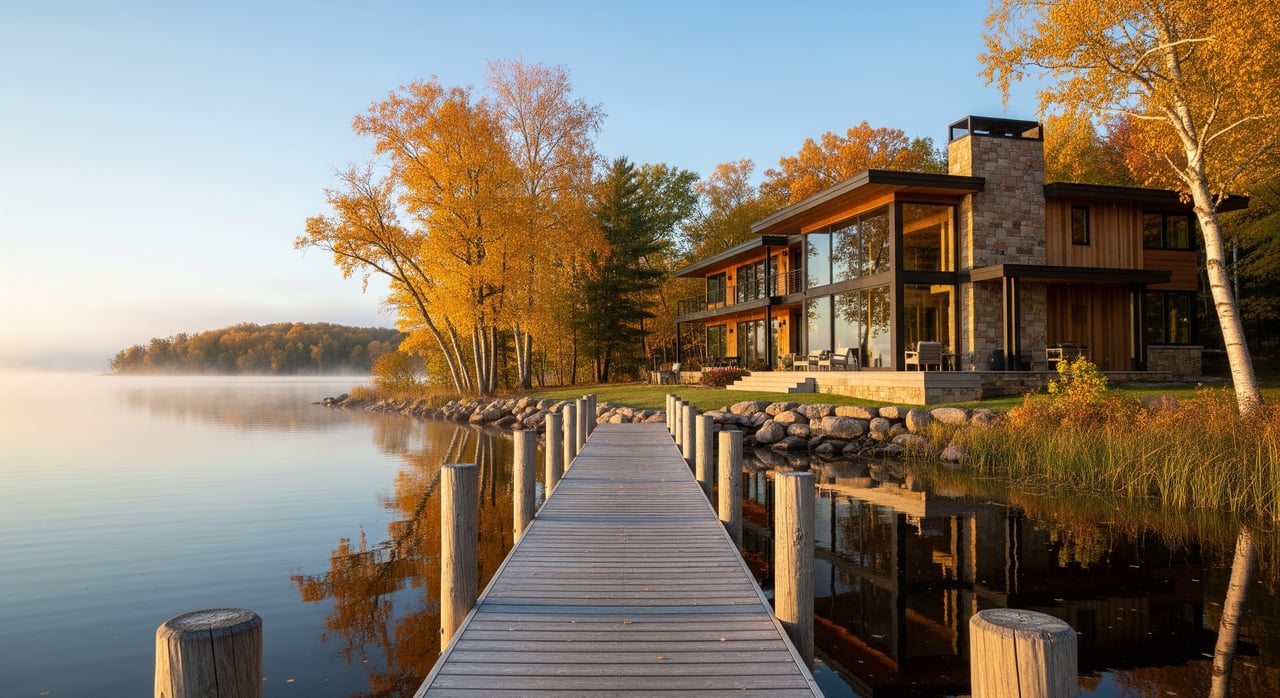
Thinking about timing your Bemidji move around the seasons? In northern Minnesota, the calendar matters more than you might expect. You see it in open-water photos, buyer traffic during lake season, and even how long a home stays on the market. This guide explains how the four-season rhythm, ice-in and ice-out, and tourism shape your best window to buy or sell in 56601.
You want a plan that fits real local patterns, not guesswork. Below you will learn when inventory tends to rise, when showings are strongest, and how to prepare for winter or summer transactions. You will also get practical checklists for photography, inspections, and logistics. Let’s dive in.
Why seasonality matters in Bemidji
Four seasons at a glance
Bemidji has distinct seasons that directly influence housing activity. Winter generally runs December to February, with snow and shorter days. Spring is the thaw and ice-out period from roughly March to May. Summer arrives in June and lasts through August. Fall cools down from September to November.
These seasonal shifts impact how homes look, how easy they are to access, and how many buyers are out shopping. More daylight and clear driveways in spring and summer support stronger curb appeal and showing activity. Winter narrows inventory and traffic, yet can create quieter, more negotiable deals for persistent buyers.
Ice-in and ice-out for lake homes
For lakefront properties, ice-out is a major milestone. Buyers want to see water clarity, shoreline conditions, dock access, and beach areas in open water. Photos taken after ice-out help present a waterfront property at its best. Many sellers of lake homes plan listing dates and marketing to follow this seasonal window so that buyers can evaluate the waterfront features in real time.
Tourism rhythm and showings
Late spring through summer is the region’s visitor season. Outdoor recreation, fishing, and local events bring more people to the area. This often leads to more showings for vacation homes and stronger interest in short-term-rental investment properties. Fall leaf color can also boost touring traffic, which helps listings that go live in September or October.
Best times to sell
Primary homes: April to June
If you are selling a primary residence, the strongest overall window is often April through June. Buyer activity picks up, daylight is longer, and your yard will show better. Many families and relocators prefer to close in late spring or early summer to align with school schedules and moving weather.
Key advantages in this period:
- More buyers in the market and more showings.
- Curb appeal improves with green lawns and landscaping.
- Faster list-to-sale timelines are common in spring and early summer.
Lakefront listings after ice-out
For waterfront properties, aim to go live shortly after ice-out. Open water lets buyers see the shoreline, dock setup, and views. This is when your waterfront photos, video, and in-person showings do the most work for you. Competition among buyers can intensify in late spring and early summer, which may support stronger terms for well-prepared listings.
Fall and winter options
Fall can be a smart alternative if spring is not ideal for your plans. September and October still provide good curb appeal and draw motivated buyers who want to close before winter. If winter is your timeline, you may benefit from less competition, as fewer homes list between November and March. This route requires extra attention to safe access, warm staging, and clear, high-quality photography.
Seller prep by season
- Spring and summer:
- Schedule professional photos after ice-out for lake homes.
- Freshen landscaping and maintain docks and shorelines.
- Gather septic, well, and shoreline documentation.
- Fall:
- Clear gutters, service HVAC, and rake walkways.
- Stage for a cozy feel and brighter indoor lighting.
- Winter:
- Keep entries shoveled and sanded with good exterior lighting.
- Warm the home before showings and use high-quality images. If available, add supplemental summer photos with the dates noted.
Disclosures and inspections
Waterfront sellers should be ready with use and shoreline records, and septic documentation when available. If you list in winter, consider a pre-inspection to reduce surprises linked to frozen systems or limited outdoor access.
Best times to buy
Spring and early summer
If selection matters most to you, shop in spring and early summer. Inventory typically rises, and you can evaluate properties in peak condition. For lake homes, open water reveals shoreline and dock details that are hard to judge in winter. The tradeoff is competition. Multiple offers are more common, so be ready with strong financials and quick decision-making.
Pros:
- Wider selection and fresher listings.
- Better visibility of exterior features and waterfronts.
- More predictable closing and moving schedules.
Tradeoffs:
- Higher competition and faster timelines.
- Less negotiating room in some cases.
Winter opportunities
If you prefer a quieter market, winter can work in your favor. Showings slow down, and some sellers are motivated to work with committed buyers. Inventory is tighter, and access can be harder. For lake homes, you will need to accept that shoreline and dock conditions cannot be fully assessed until ice-out.
Ways to protect your interests in winter:
- Write in contingencies for post–ice-out verification on waterfront features.
- Allow more time for appraisals if seasonal comparables are limited.
- Budget for snow removal and utility checks during the move.
Investors and short-term rentals
Summer is the revenue driver for most short-term rentals in the Bemidji area. Investors often study booking calendars and summer occupancy when evaluating cash flow. Some choose to purchase off season to reduce competition, then position the property to capture high-demand months after closing.
Inspections, appraisals, and logistics
Inspection timing
In winter, some issues are hard to spot. Shoreline erosion, dock condition, and seasonal vegetation are clearer after ice-out. Roof leaks are easier to find during thaw or rain. If you buy in winter, consider an agreement that allows a later re-inspection to verify seasonal items when conditions permit.
Appraisal realities
Appraisals can be more complex in winter due to fewer recent comparable sales and seasonal photo limitations. Communication with experienced local appraisers and lenders helps set realistic timelines and expectations.
Moving and closing plans
Cold-weather moves call for backup plans. Build in extra buffer for weather delays and plan snow removal for moving day. Confirm that utilities are on and set to maintain safe temperatures before you take possession.
Strategy by season
Marketing and photos
For lake homes, collect both open-water and winter images when possible. If listing in winter, clearly note when each photo was taken and supplement with seasonal visuals that show docks, shoreline, and views. For non-waterfront homes, aim for green-lawn photos or early fall color when curb appeal is strongest.
Showings and safety
Make safe access a priority. In winter, clear and sand walkways and allow extra time between showings. In peak summer, plan showings around busy lake traffic and local events to capture out-of-town interest without crowding schedules.
Open houses and local events
Coordinate open houses with well-attended community events. Summer festivals and fall weekends often bring more visitors to the area. This can increase exposure for your listing and attract buyers who already plan to tour lake communities.
Month-by-month planning
Use this simple seasonal framework to map your next steps. Exact dates vary year to year, especially ice-in and ice-out timing.
- January to February:
- Buyers: explore off-season opportunities and consider contingencies for post–ice-out checks on lake homes.
- Sellers: prepare indoors, update records, and plan spring photography.
- March to April:
- Buyers: pre-approve financing and watch for new listings as thaw begins.
- Sellers: schedule exterior cleanup and confirm photo dates after ice-out.
- May to June:
- Buyers: act quickly on well-presented properties and expect more competition.
- Sellers: launch listings with strong visuals and flexible showing windows.
- July to August:
- Buyers: tour lake homes in peak condition, and verify dock and shoreline features.
- Sellers: use long daylight hours for showings and maintain landscaping.
- September to October:
- Buyers: look for motivated sellers who want to close before winter.
- Sellers: leverage fall color and keep gutters and walkways clear.
- November to December:
- Buyers: negotiate carefully in a quieter market and plan winter move logistics.
- Sellers: focus on warm staging, safe access, and bright interior lighting.
Next steps
Your best timing depends on your goals, property type, and flexibility. Primary residences tend to shine in spring and early summer. Waterfront homes perform best right after ice-out. Winter can deliver opportunities for patient buyers and motivated sellers who prepare well. If you want a plan tailored to your situation, a local strategy session can save you months of trial and error.
If you are considering a move in 56601 or around Beltrami County, connect with local guidance that blends market know-how with polished marketing. Reach out to Wendy Steinmetz to request your free home valuation, map the right timeline, and launch with confidence.
FAQs
What is the best month to list a Bemidji lake home?
- Shortly after ice-out in late spring is often best because open water lets buyers see shoreline, dock access, and views in full.
Is winter a bad time to buy in 56601?
- Not necessarily. Winter has fewer competing buyers and potential negotiating space, though inventory is tighter and some features are harder to inspect.
When do showings peak in Bemidji?
- Showings often rise in spring and remain strong into summer, boosted by tourism and open-water season for lake properties.
How does seasonality affect days on market?
- Days on market typically shorten in spring and early summer when demand is strongest, then lengthen in late fall and winter as activity slows.
What should sellers prepare before spring listing?
- Line up professional photos, spruce up landscaping, maintain docks and shoreline for lake homes, and gather septic, well, and shoreline records.
Can appraisals be harder in winter?
- Yes, there may be fewer recent comparable sales and limited seasonal visibility, so allow extra time and work with experienced local appraisers.