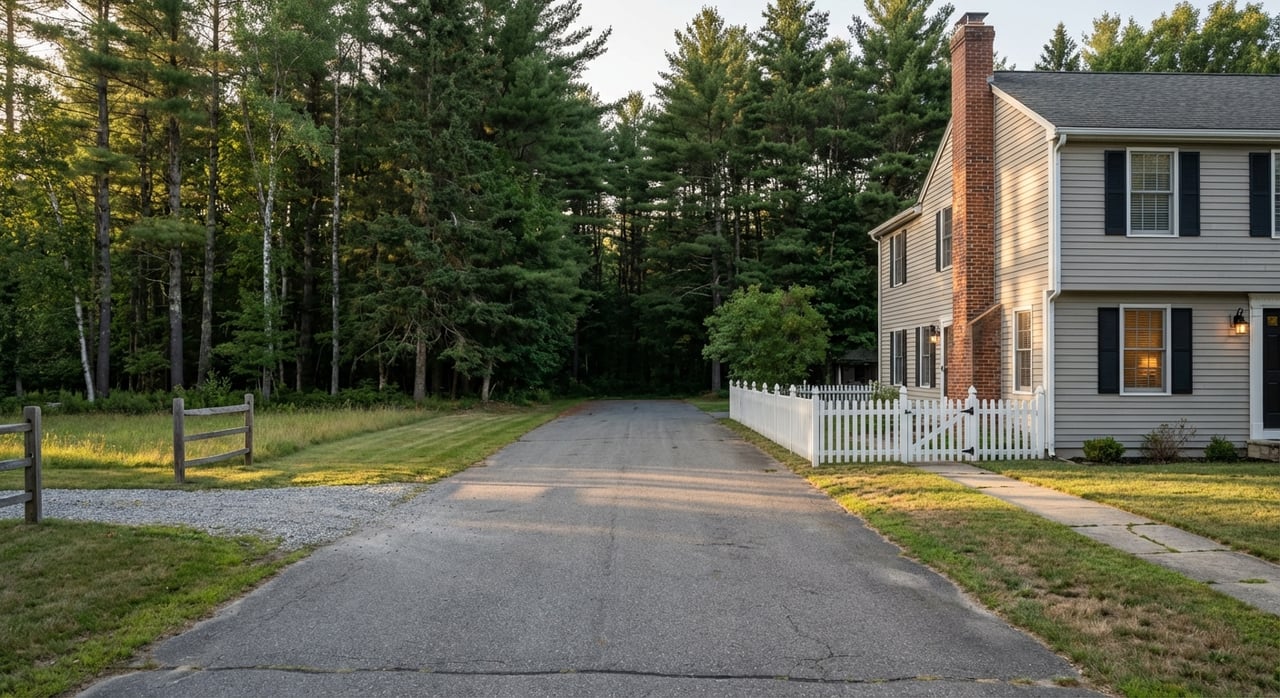
Thinking about staying close to downtown Bemidji or stretching out on a few acres in Beltrami County? You are not alone. Many buyers weigh convenience, services, and commute time against space, privacy, and the freedom of country living. In this guide, you will learn the real differences between in‑town homes and rural acreage in and around 56601, including utilities, zoning, travel times, and year‑round maintenance. You will also get a local checklist to help you move forward with confidence. Let’s dive in.
In‑town Bemidji: what to expect
If you value shorter drives, predictable services, and a traditional neighborhood feel, living inside Bemidji city limits can be a strong fit. City homes typically connect to municipal water, sewer, and curbside refuse, and the city manages meter reading, billing, and street maintenance. You can review service details and policies on the City of Bemidji’s utility pages to understand fees and how hookups work for each address. City of Bemidji utilities and billing
Daily logistics: utilities, plowing, and trash
- City utilities simplify monthly costs into one combined bill for water, sewer, and refuse.
- City crews handle street plowing and maintenance on public streets. You may still clear your own driveway and sidewalk, but the heavy lift is off your plate.
- Renovations and additions go through the city’s standard permit and inspection process.
Lot sizes and neighborhood form
In‑town lots are usually smaller and easier to maintain. Many residential districts within the greater Bemidji area allow smaller minimum lot sizes when they are sewered. For example, the R‑3 suburban residential district lists a 15,000 square foot minimum for sewered lots, compared to 45,000 square feet for unsewered lots. These rules help explain why in‑town parcels feel more compact and walkable. Greater Bemidji Area zoning ordinance
Travel and emergency services
Average commute times inside the city run shorter than the county overall. The American Community Survey shows Bemidji’s mean travel time to work is about 17.4 minutes, compared to 20.8 minutes for Beltrami County. Your actual time will vary by job location and route, but this is a helpful benchmark. ACS commute benchmarks
Emergency services are close by in town, and hydrant access is common. The Bemidji Fire Department responds to about 1,200 emergency calls per year across its protection area, which includes multiple townships. Talk with your insurer about proximity to hydrants and stations, since that can affect premiums. Bemidji Fire Department service info
Health care access is another practical perk. Sanford Bemidji Medical Center serves as the region’s hospital and emergency department hub. If staying within a quick drive to medical services matters to you, factor this into your decision. Sanford Bemidji Medical Center
Rural acreage in Beltrami County: what to expect
If your top priorities are space, privacy, and room for outbuildings or hobbies, acreage living can be ideal. Expect more independence and a few additional responsibilities around utilities, access, and maintenance.
Utilities and permits on acreage
Most rural homes rely on a private well and an onsite septic system. Beltrami County regulates septic permitting, inspections, and compliance at time of property transfer, and the county enforces timelines for upgrades if a system does not meet standards. Always request the septic compliance certificate during due diligence. Beltrami County septic compliance
As a private well owner, plan for periodic water testing and possible treatment if needed. The Minnesota Department of Health outlines what to test for and how often, along with steps to seal unused wells. MN Dept. of Health well testing guidance
Year‑round upkeep costs to plan for
- Driveways can be long. Budget for private snow removal and routine grading.
- Insurance may vary based on distance to the nearest fire station and water source. Ask your insurer about hydrant access or cistern requirements.
- If you buy raw land or build, you may need to budget for utility line extensions or new well and septic installations. Costs are site specific, so get written estimates from utility companies and the county early.
Broadband and cell coverage
In‑town addresses often have more wired or fiber choices. Rural parcels may use a mix of DSL or cable, local fiber co‑ops, fixed wireless, or satellite. Always confirm by address, since coverage can change from one road to the next. A quick way to start is to check provider tools that show availability by zip or street. Check provider coverage tools
Zoning and lot‑size basics near Bemidji
The Greater Bemidji Area zoning ordinance sets minimum lot sizes and shapes how neighborhoods look and feel. A few helpful examples:
- Rural Area R‑1 minimum lot area is 5 acres.
- R‑3 suburban residential minimums differ based on sewer connection: 15,000 square feet for sewered lots and 45,000 square feet for unsewered lots.
- Shoreland overlays around lakes and sensitive areas add extra standards for setbacks, slopes, and vegetation.
These benchmarks explain why rural parcels often start at 1 to 5 acres or more, while in‑town lots can be much smaller when served by municipal sewer. If you plan to subdivide or add a large accessory building, verify the zoning and any shoreland overlays before you commit. Greater Bemidji Area zoning ordinance
Commute and errands: time benchmarks
Your daily drive is a lifestyle choice. Use these averages as a guide:
- Bemidji city mean travel time to work: about 17.4 minutes.
- Beltrami County mean travel time to work: about 20.8 minutes.
Many acreage buyers accept 10 to 30 minutes or more for the right setting. Consider your work location, winter driving habits, and how often you head to shops, the hospital, and schools. ACS commute benchmarks
Cost and maintenance comparison at a glance
In‑town typically
- One combined monthly bill for water, sewer, and refuse from the city.
- City street plowing and maintenance reduce winter workload.
- Smaller lawns and landscaping often mean lower seasonal costs.
- No private well or septic maintenance.
- Straightforward city permitting for renovations. City of Bemidji utilities and billing
Rural acreage typically
- Private well: periodic testing and maintenance. MN Dept. of Health well testing guidance
- Septic system: compliance required at transfer, routine pumping and inspection. Beltrami County septic compliance
- Driveway and private road considerations: plan for snow removal and seasonal restrictions.
- Insurance: confirm distance to fire services and water sources with your carrier.
Market note: Zip‑level and county medians vary month to month. Recent snapshots show a typical 56601 home value near 272,000, while Beltrami County medians have trended near 219,900. Use these only as context and rely on a current CMA for pricing a specific property.
Buyer due‑diligence checklist for 56601 and Beltrami County
Use this list to compare options and protect your budget during the offer period.
- Ask for septic records: permits and any current Certificate of Compliance. Beltrami County septic compliance
- Order a licensed septic compliance inspection if the property is rural and confirm any upgrade timelines. County septic program overview
- Test private well water and request the well log and any treatment maintenance records. MN Dept. of Health well testing guidance
- Confirm municipal service availability for edge‑of‑town parcels. Ask the City for a written statement on water and sewer at the curb, plus any line‑extension costs. City of Bemidji utilities and billing
- Verify zoning, minimum lot size, and any shoreland overlays if you plan to build, subdivide, or add an accessory building. Greater Bemidji Area zoning ordinance
- Confirm bus eligibility and pickup points by address with the school district if needed. Bemidji Area Schools transportation
- Request a current tax statement and check for pending special assessments. City and county levies can differ by jurisdiction. Beltrami County Property Tax Services
- Check broadband and cellular options by exact address and ask about line‑extension or construction fees. Check provider coverage tools
Which choice fits you
Choose in‑town if you want the smoothest day‑to‑day routine, easier winter driving, city utilities, and quick access to shops, schools, and hospital services. It is a great match if you prefer a smaller yard and a neighborhood setting.
Choose acreage if you want room for a workshop, gardens, or recreational gear, and you are comfortable planning for well and septic care, longer drives, and more hands‑on maintenance. If you dream of extra privacy or a buffer from neighbors, this path delivers.
Not sure which path to take? A conversation about your daily schedule, budget, and must‑have amenities often clarifies the right move. For local insight and a tailored search on both sides of the line, connect with Wendy Steinmetz for a friendly, no‑pressure consultation.
FAQs
What are the real commute differences between Bemidji city and rural Beltrami?
- City residents average about 17.4 minutes to work, while county residents average about 20.8 minutes, though rural buyers often accept 10 to 30 minutes depending on distance and roads. ACS commute benchmarks
How do septic inspections work when buying acreage in Beltrami County?
- The county requires a septic compliance inspection at property transfer, and noncompliant systems must be upgraded within county timelines. Ask for the certificate and plan for any required work. Beltrami County septic compliance
Can I get city water and sewer on a larger lot near Bemidji?
- Some near‑city parcels have utilities at the curb, while others do not. Always request a written confirmation from the City of Bemidji and ask about any line‑extension costs. City of Bemidji utilities and billing
What zoning rules affect building on acreage around Bemidji?
- Rural R‑1 typically requires at least 5 acres, and shoreland overlays add extra standards near lakes or steep slopes. Confirm zoning and overlays before subdividing or building. Greater Bemidji Area zoning ordinance
How do internet options differ between in‑town and rural properties?
- In‑town addresses often have more fiber or cable choices, while rural homes may use DSL, fixed wireless, or satellite. Always verify by address and ask about build fees. Check provider coverage tools
Who handles emergency services for rural addresses near Bemidji?
- The Bemidji Fire Department covers a broad protection area that includes nearby townships, and rural addresses are also served by county law enforcement. Discuss distance to stations and hydrants with your insurer. Bemidji Fire Department service info