Thinking about selling your Bemidji lake cabin or your year-round home, but not sure which path looks different? You are not alone. In 56601 and across Beltrami County, cabins and primary homes bring different buyers, rules, timelines, and pricing factors. In this guide, you will learn the key differences, what to prep, and how to time and market each property type for a smooth sale. Let’s dive in.
Why lake-cabin sales differ
Lake properties are a different product than everyday residential homes. Fewer direct comparables, shoreline features, and seasonal access all change valuation and marketing. In 56601, market trackers often show median values in the low-to-mid $300k range with days on market ranging from weeks to a few months, but lakefront premiums and scarce comps can push pricing outside ZIP medians. A local CMA helps you narrow the right range.
Buyer goals and financing
Primary-home buyers focus on year-round living, reliable utilities, and day-to-day convenience. Financing and standard contingencies are common. Recent industry highlights confirm that buyer profiles and financing patterns shape speed and terms, including the share of financed purchases and appraisal needs. See insights in NAR’s 2024 Profile of Home Buyers and Sellers highlights.
Cabin and second-home buyers are lifestyle-driven. They are often older, may write stronger cash offers, and care most about views, shore access, and outdoor living. For context on motivations and patterns, review NAR’s field guide on vacation and second homes.
Some buyers consider short-term rental potential. That shifts what matters: bedroom count, parking, septic capacity, and local STR rules. Beltrami County and the City of Bemidji regulate STRs, so compliance is a must. Learn more below.
Fewer comps, more shoreline math
Cabins are unique. Valuation puts weight on shoreline quality, dock rights, water depth, view corridors, and access. Comps may extend beyond the immediate neighborhood and even across lakes. Expect wider pricing bands and more agent judgment than a typical in-town home.
Timing your 56601 sale
Seasonality for lake properties
Spring to early summer is the most active window for waterfront searches. Buyers want to see the dock in, usable shoreline, and boats on the lift. If you plan to list then, schedule photos after ice-out and prep shoreline, deck, and dock ahead of time. Summer showings that highlight water use and outdoor spaces can boost interest.
When primary homes move
Primary homes also benefit from spring momentum. Moving before the next school year often drives timelines, and typical financed buyers are active in that period. If you need to list off-season, strong lighting, clear maintenance records, and flexible showing plans still help you compete.
Pricing and prep essentials
For lake cabins: utilities, shore, septic
Buyers and appraisers will look closely at utilities and shoreline. Seasonal cabins may have limited insulation, non-continuous heat, or closed wells in winter. Be clear if the home is seasonal or year-round and whether conversion is feasible. Minnesota shoreland standards can limit expansions or accessory structures, so understand what is possible before you promise changes. Review state rules at Minnesota shoreland and public waters rules.
Septic and well documentation is essential for rural and lake properties. Beltrami County commonly requires a septic compliance inspection at transfer. Plan for the inspection early in the process so any repairs do not surprise you in escrow. See requirements for Beltrami County septic system compliance inspections.
Also gather records for docks, lifts, and shoreline work. Buyers will ask if structures are permitted, nonconforming, or need updates.
For primary homes: livability, systems
Primary-home buyers zero in on year-round comfort: heating, roof, windows, and everyday function. Standard disclosures, recent repair receipts, and a clean maintenance file reduce friction. Pricing depends more on neighborhood and like-kind comps, so a current CMA is key.
Permits, rules, and disclosures
Septic compliance and wells
If your property has a subsurface sewage treatment system, a county compliance inspection is often triggered at sale. Certificates have set validity periods, and a notice of noncompliance can require upgrades within a timeline. Build this into your plan so the buyer’s lender or appraiser does not delay closing. See Beltrami County septic system compliance.
Shoreland, docks, and water work
Work in or near public waters, including docks, lifts, or shoreline changes, can require permits at the state or local level. Confirm the status of docks and water-oriented structures and keep documentation handy. Start with the Minnesota shoreland and public waters rules and consult local zoning for specifics.
Short-term rental licensing
If you operate or want to market the property as STR-ready, confirm compliance. Unincorporated areas in Beltrami County typically require a county STR permit and, in many cases, a Minnesota Department of Health lodging license. Inside Bemidji city limits, the city administers its own permits and inspections, which may be non-transferable. Review Beltrami County short-term rental permits and City of Bemidji short-term rental licensing.
Disclosures sellers must make
Minnesota requires licensees to disclose known material facts that could affect a buyer’s use or enjoyment. For cabins, that often includes septic and well records, shoreline erosion or bluff issues, access or easements, known flood or ice damage, and rental history or nuisances. Read the statute on material fact duties for licensees.
Taxes: primary vs second home
If you sell a primary residence, you may qualify for the Section 121 capital-gains exclusion if you meet ownership and use tests. Second homes and seasonal cabins generally do not qualify unless you convert the property and meet the tests. If you rented the property and took depreciation, that portion is not excludable and may be recaptured at sale. Review the rules in IRS Publication 523 on selling your home and speak with your tax advisor early.
Marketing that fits the property
Photos, video, and virtual tours
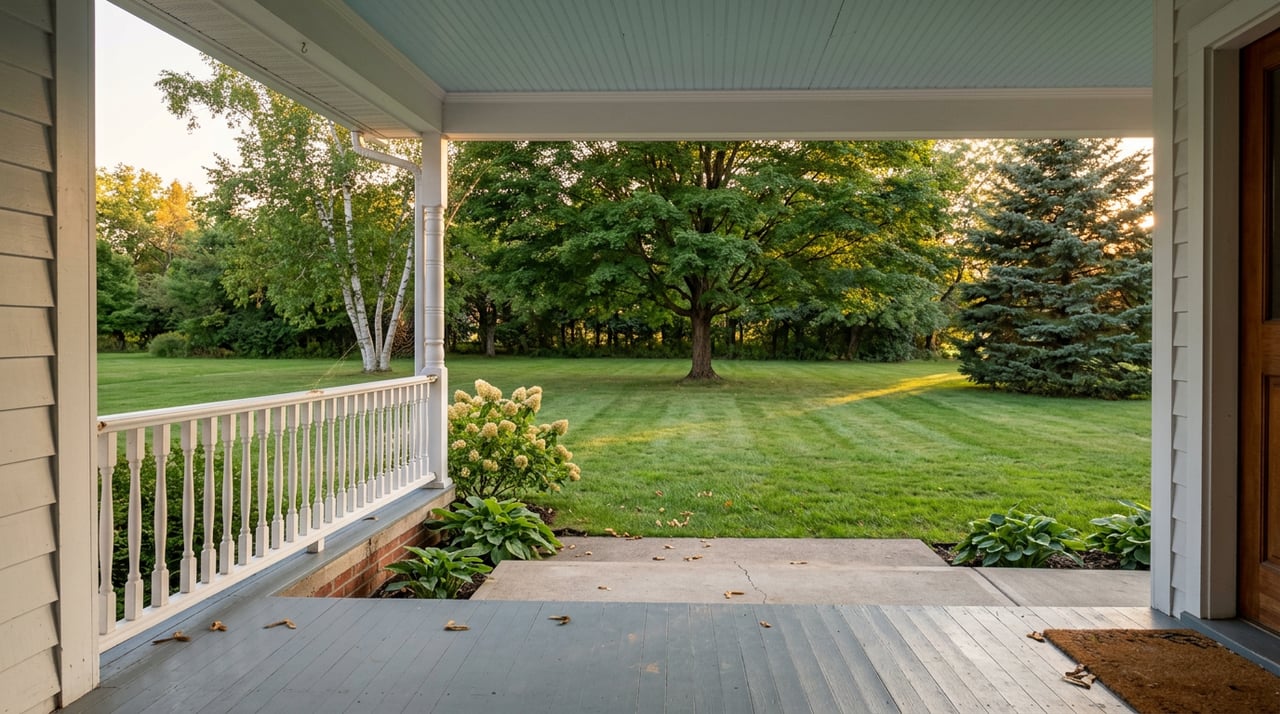
Waterfront buyers shop with their eyes. Lead with a wide water-view shot, include the dock and functional shoreline, and add drone scenes for context. Virtual walk-throughs help out-of-area buyers screen efficiently. See best practices in NAR guidance on virtual showings and tours.
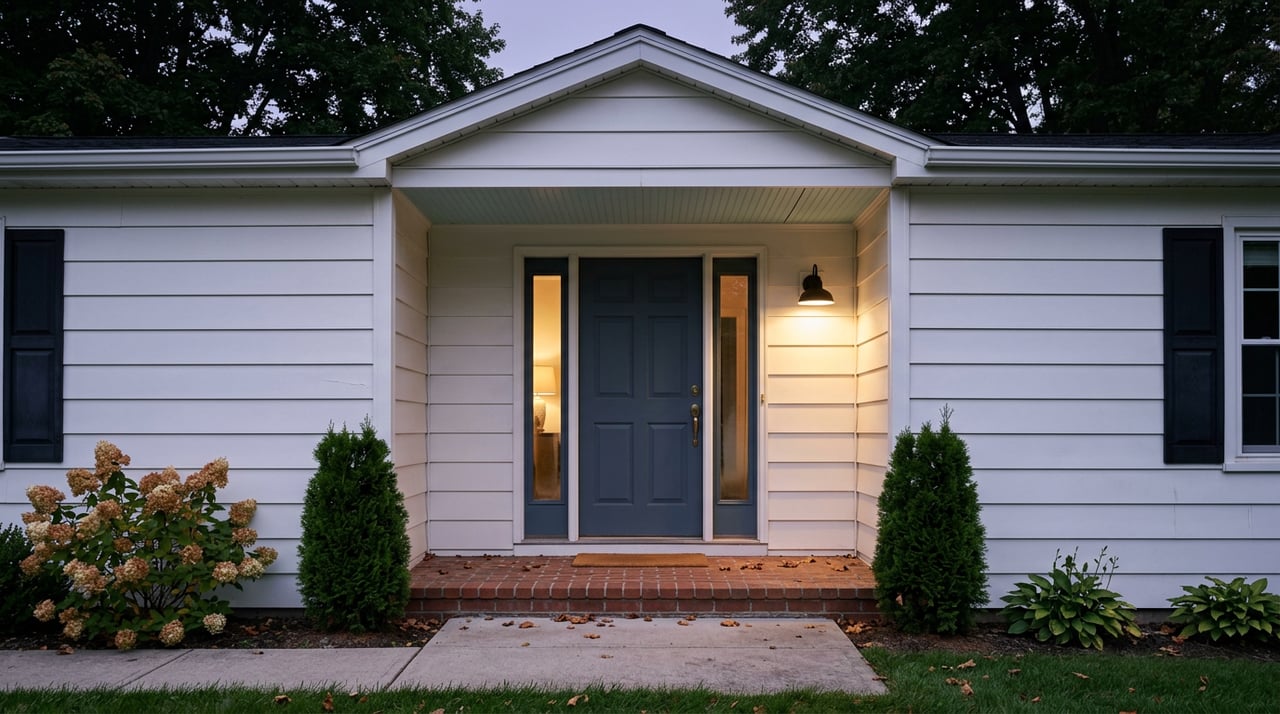
Primary homes shine when you highlight daily livability. Use clear, well-lit images of the kitchen, living areas, bedrooms, and any upgrades. Balanced photo sets build trust and reduce second-guessing.
Staging that tells the story
Stage cabins to sell the lake lifestyle: set a café table on the deck, arrange chairs at the fire pit, and show easy paths to the water. For primary homes, set up functional family zones and declutter to show space. Industry studies show that staging and pro photography drive more views and stronger offers. For context, see Home Staging Institute statistics on staging and buyer interest.
Showing logistics to plan
Cabins can have seasonal or limited access. If there are steep stairs, gated drives, or winterized utilities, plan for safe showings and clear instructions. Consider a virtual-first approach for early interest, then in-person appointments for qualified buyers. See options in NAR’s virtual showings resource.
Quick pre-listing checklist
Use this as a starting point, then tailor it to your property type.
- Request a current CMA tailored to lake or in-town comps.
- Complete Minnesota disclosures and assemble records for wells, septic, permits, repairs, and known conditions. See material fact duties for licensees.
- If the property has a septic system, schedule a Beltrami County septic compliance inspection early.
- Gather shoreline and dock documentation. Confirm permits or nonconforming status and reference Minnesota shoreland and public waters rules if needed.
- If the property has been or could be an STR, collect permits, licenses, and performance records per Beltrami County STR permits and City of Bemidji STR licensing.
- Invest in professional photography, including a lead waterfront shot for cabins and a balanced interior set for primary homes. Consider a virtual tour using NAR’s virtual showings guidance.
- For taxes and timing, review IRS Publication 523 and consult your tax professional, especially if the cabin had rental use or depreciation.
The bottom line for Bemidji sellers
Selling a Bemidji lake cabin is not the same as selling your primary home. Lake buyers weigh shoreline, access, utilities, and STR rules more heavily, and the right timing and visuals matter. Primary-home buyers lean on livability, financing, and everyday function. A tailored plan that addresses the right buyer pool, the right rules, and strong presentation helps you capture top value.
If you want a clear, local plan and a mindful, marketing-forward approach, let’s talk. Request your free home valuation with Wendy Steinmetz to see next steps and a pricing strategy built for your property.
FAQs
What documents do I need to sell a Bemidji lake cabin?
- Bring septic and well records, shoreline and dock permits, any STR permits or licenses, repair receipts, and Minnesota disclosure forms that cover known material facts.
Do I need a septic inspection to sell a cabin in Beltrami County?
- In many cases, yes. A subsurface sewage treatment system often requires a compliance inspection at transfer, with timelines for any needed upgrades per Beltrami County septic compliance.
What are the rules for short-term rentals near Bemidji?
- Unincorporated areas typically need a county STR permit and often a state lodging license, while properties in city limits follow City of Bemidji STR licensing; start with Beltrami County STR permits.
How do taxes differ when I sell a primary home vs a second home?
- Primary homes may qualify for the Section 121 exclusion if you meet ownership and use tests, while second homes generally do not; review IRS Publication 523 and talk with your tax advisor, especially if you claimed depreciation.
What must Minnesota sellers disclose for cabins and primary homes?
- Sellers and licensees must disclose known material facts that could significantly affect a buyer’s use or enjoyment; see Minnesota material fact duties for licensees and prepare records like septic, well, shoreline, access, and any prior damage.