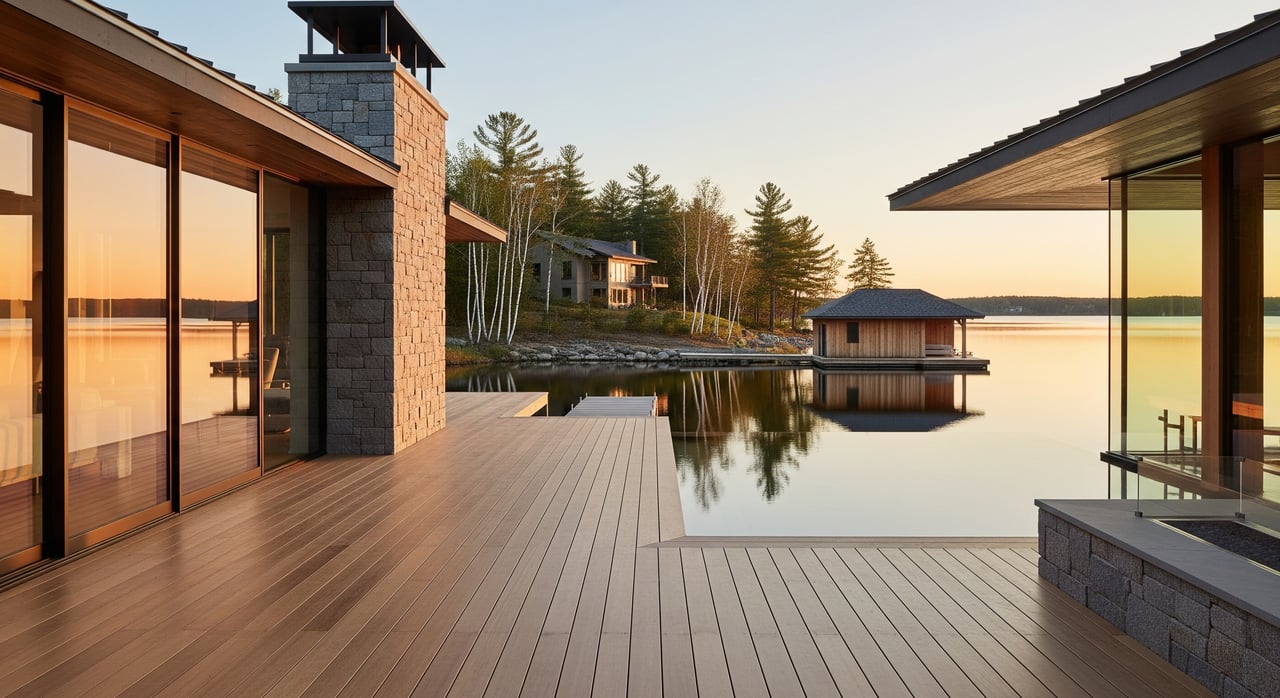
Are you dreaming about mornings on Lake Bemidji but unsure how the numbers stack up against a home a few blocks off the water? You are not alone. Many buyers love the lake lifestyle, yet want a clear picture of the total cost before they commit. In this guide, you will see how lakefront and off-lake homes in Bemidji compare on price, taxes, utilities, insurance, maintenance, and resale. You will also get a simple method to run your own side-by-side comparison. Let’s dive in.
Lakefront vs off-lake: what changes
Lakefront living in 56601 commands a premium because shoreline is limited, views are unique, and direct access is rare. Off-lake homes often trade at lower prices and can have simpler utilities and maintenance. Your decision usually comes down to how much you value water access and views against higher upfront and ongoing costs.
Key cost drivers at a glance
- Acquisition price and assessed value drive taxes.
- Utilities differ. Lakefront is more likely to have a private well and septic. Off-lake in Bemidji city limits often has municipal services.
- Insurance can be higher for waterfront due to added exposure and potential flood considerations.
- Maintenance and capital items, like docks and shoreline stabilization, add to lakefront costs.
- Resale dynamics differ. Lakefront can retain strong value but has a smaller, more seasonal buyer pool.
Purchase price and property taxes
Lakefront homes around Lake Bemidji and nearby lakes usually sell at a premium over comparable off-lake properties. That premium varies by lake size and quality, frontage length, lot usability, and home improvements. On highly desirable lakes, the premium can be significant. To quantify it, use recent MLS comps in 56601 for both lakefront and off-lake homes.
Higher purchase prices generally lead to higher assessed values, which increase annual property taxes. In Beltrami County, taxes are based on assessed market value and property classification. A year-round homestead and a seasonal cabin can be taxed differently, and special assessments for public projects may appear on tax bills. Always review the parcel’s assessed value, classification, and any assessment history before you set your budget.
Insurance differences to expect
Waterfront locations can change your homeowner’s insurance profile. Insurers look at wind and hail exposure, ice and water impacts along the shoreline, and site-specific conditions. Flood insurance is not automatically required on lakefront, but if any portion of the property lies in a mapped Special Flood Hazard Area and you have a mortgage, your lender may require a flood policy. The best move is to request quotes on the exact parcel for homeowners coverage and, if applicable, flood insurance before you make an offer.
Utilities and site services
Utilities can be a big swing in your annual costs and comfort.
- Water and sewer: Many lakefront homes near Bemidji use a private well and septic. Off-lake homes inside Bemidji city limits commonly have municipal water and sewer. Private systems work well but require routine care and eventual replacement.
- Heating and electricity: Some rural lakeshore properties use propane, fuel oil, or electric heat. In-city off-lake homes are more likely to have natural gas. Northern Minnesota winters require efficient systems and good insulation to manage monthly bills.
Typical recurring items for private systems include septic pumping every 3 to 5 years. That service often runs in the low hundreds, with regional ranges commonly around 300 to 800 dollars depending on tank size and vendor. Well maintenance and water testing add modest annual costs. Ask sellers for recent utility bills, and get quotes from local providers to build a realistic budget.
Maintenance and seasonal tasks
A lakefront home has a few extra to-dos each year. Plan time and money for seasonal dock work, shoreline vegetation management, monitoring for erosion, and snow removal on longer private drives. If the home is seasonal, you may need winterizing services. Off-lake homes tend to have simpler routines, often limited to lawn care, minor repairs, and standard snow removal.
As a planning range, many off-lake, year-round homes fall into a lower recurring site maintenance range, often about 1,000 to 4,000 dollars per year depending on age and systems. Lakefront homes often run higher, often about 2,000 to 8,000 dollars or more per year based on improvements, the age of systems, and how much you outsource. These are estimates. Always get local contractor quotes.
Capital projects to budget
Beyond routine upkeep, some big-ticket items are more common on the water:
- Docks and lifts: Installation, upgrades, and seasonal in-out service can add up. Small setups cost less, while larger or permanent systems can reach into the tens of thousands over time.
- Shoreline stabilization: Riprap, bioengineering, or retaining work varies by length and method. Permits, design, and contractor availability affect cost.
- Septic replacement: Older or failing systems can trigger a mid-five-figure project depending on soils and design.
- Boathouses or elevated structures: These are often limited by local rules and can be costly. Always verify feasibility before planning.
Minnesota shoreland rules and local ordinances in Beltrami County or the City of Bemidji govern what you can build, where, and with what materials. Permits add time and cost but protect the lake and your long-term value. Check permit histories and current requirements early in your due diligence.
Resale and value drivers
Waterfront scarcity and lifestyle appeal support long-term value, especially on quality lakes with good access. Unique features like private frontage on Lake Bemidji and strong recreational use are highly marketable. That said, lakefront sales can be more seasonal and the buyer pool is smaller.
Non-price factors matter. Water quality, invasive species, algae blooms, and visible shoreline erosion can influence price and marketing time. Access details, like frontage length and dock rights, affect how much buyers will pay. If you plan to rent seasonally, confirm short-term rental rules with the city or association before you factor income into your decision.
How to compare two Bemidji homes
Use a simple, apples-to-apples method to estimate total annual cost. Pull real numbers for each property, then plug them into the same framework so you can compare clearly.
What to collect for each property
- Purchase and property details: recent sold comps, lot and frontage, rights and improvements, year built, size, and features.
- Taxes: assessed value, classification, and past tax bills. Note any special assessments.
- Insurance: homeowner quote, plus a flood quote if any area is in a mapped flood hazard zone.
- Utilities: average electric, heating fuel, and whether services are municipal or private well and septic. Ask for recent bills.
- Maintenance: septic pumping schedule and cost, dock service, shoreline care, driveway snow removal, lawn care, any HOA or lake association dues.
- Capital items: realistic expectations for dock replacement or upgrades, shoreline stabilization, septic replacement, roof or insulation improvements, and any code-driven shoreline work.
- Resale: holding period, expected appreciation based on local comps, and selling costs.
A simple worksheet
- Annual carrying cost = property taxes + homeowners insurance + flood insurance if required + utilities + routine maintenance + association dues.
- Annualized capital reserve = total expected capital projects over your planning horizon divided by the number of years.
- Total annual cost = annual carrying cost + annualized capital reserve.
- Do this for both homes. The difference is your annual cost gap for lakefront vs off-lake.
Run the numbers for 5 and 10 years to see how the picture changes once big projects or resale are included. If you plan to rent seasonally, add expected net rental income only after you confirm rules and realistic rates.
Local steps to verify numbers
- Pull parcel records and tax history from the Beltrami County Assessor.
- Use MLS comps for 56601 to establish current lakefront and off-lake pricing.
- Get two insurance quotes for each property, including a flood scenario where relevant.
- Order a septic inspection and well water test for any property on private systems.
- Request dock, shoreline, and driveway maintenance estimates from local contractors.
- Verify shoreland zoning, permits, and any open code items with the City of Bemidji or Beltrami County.
- Confirm short-term rental rules if income is part of your plan.
When a lakefront premium is worth it
If you value direct water access, boating, and sunset views, the premium for lakefront can feel more like a lifestyle investment. Many owners find that the daily enjoyment and potential long-term value make the extra cost worthwhile. If your priority is simplicity, predictable costs, and lower maintenance, an off-lake home near the water may be the smarter fit. Both paths can be great choices in Bemidji when you make the decision with clear eyes and real numbers.
Ready to compare specific properties side by side and build a true total cost picture for your situation? Reach out for local comps, tax histories, and a personalized worksheet. Talk with Wendy Steinmetz to get started.
FAQs
What are typical annual maintenance costs for Bemidji lakefront homes?
- Many owners plan around 2,000 to 8,000 dollars or more per year for lake-related upkeep, depending on the home’s age, systems, and how much work is outsourced.
How often should a private septic system be pumped near Lake Bemidji?
- A common schedule is every 3 to 5 years, with pumping often costing in the low hundreds and regional ranges around 300 to 800 dollars depending on the tank and provider.
Do all lakefront homes in Bemidji require flood insurance?
- No, flood coverage is parcel specific; it is typically required only if any part of the property lies in a mapped Special Flood Hazard Area and you have a mortgage.
How do property taxes compare between lakefront and off-lake in 56601?
- Lakefront often has higher assessed values, which can raise taxes; always verify classification, assessed value, and any special assessments for the exact parcel.
What permits might I need for docks or shoreline work in Beltrami County?
- Shoreline projects often require permits under Minnesota shoreland rules and local ordinances; confirm requirements with the City of Bemidji or Beltrami County before starting.