Thinking about a move to Bemidji? One of the biggest questions is usually simple: What kind of housing will you actually find when you get here? If you are relocating for work, lifestyle, or a fresh start in northwestern Minnesota, it helps to know that Bemidji is not a one-size-fits-all market. You will find a mix of homes, rentals, and lifestyle options, along with a market that can feel very different depending on whether you are buying or renting. In this guide, you will get a practical overview of Bemidji housing, pricing, inventory, and everyday living so you can make your move with more clarity. Let’s dive in.
Bemidji Housing at a Glance
If you start browsing online, you may notice that Bemidji housing data can vary quite a bit by source. For example, Redfin’s Bemidji market snapshot reported a February 2026 median sale price of $225,000 and 91 median days on market. Meanwhile, the 56601 ZIP code snapshot cited in the research report showed a January 2026 median sold price of $349,692, median rent of $1,500, 241 homes for sale, 17 rental listings, and 108 median days on market.
That gap does not necessarily mean one number is wrong. It usually reflects different boundaries, property mixes, and reporting methods. For newcomers, the main takeaway is this: Bemidji is a varied market, and it helps to compare citywide trends with ZIP-level activity before deciding what fits your budget and timeline.
For a steadier affordability baseline, the City of Bemidji housing needs assessment found that in 2022 the median home value was $176,500 and median gross rent was $955, according to the city housing report. That gives you a broader sense of local housing costs beyond portal snapshots.
Renting vs Buying in Bemidji
For many newcomers, the first decision is whether to rent first or buy right away. In Bemidji, that choice often depends on your timeline, your flexibility, and how quickly you need housing.
The city report shows that 59.5% of households rented and 40.5% owned in 2022. Even so, the rental side of the market appears tighter. Rental vacancy was 2.9% in 2022, which was below Minnesota’s 4.8% rate, based on the same Bemidji housing planning materials.
That matters because a lower vacancy rate can mean fewer choices at any given time. If you are relocating and need a rental first, you may need to be flexible on move-in date, layout, or exact location. On the ownership side, your search may feel broader, especially if you are open to different home styles or nearby areas in Beltrami County.
Another important point is affordability pressure. In 2022, 42.1% of renter households in Bemidji were moderately or severely cost burdened, compared with 20.0% of owner households, according to the city report. In practical terms, renters may feel more competition and more price pressure than buyers do.
What Types of Homes You Will Find
One of the helpful things about relocating to Bemidji is that the housing stock is not limited to one format. You are not just choosing between a suburban house and an apartment. The market includes several common options, each with different tradeoffs.
Based on current listing portals referenced in the research, buyers may find houses, condos, townhouses, and multi-family properties, while renters may see apartments and townhomes. That gives you room to match your housing choice to your budget, maintenance preferences, and long-term goals.
Detached Homes
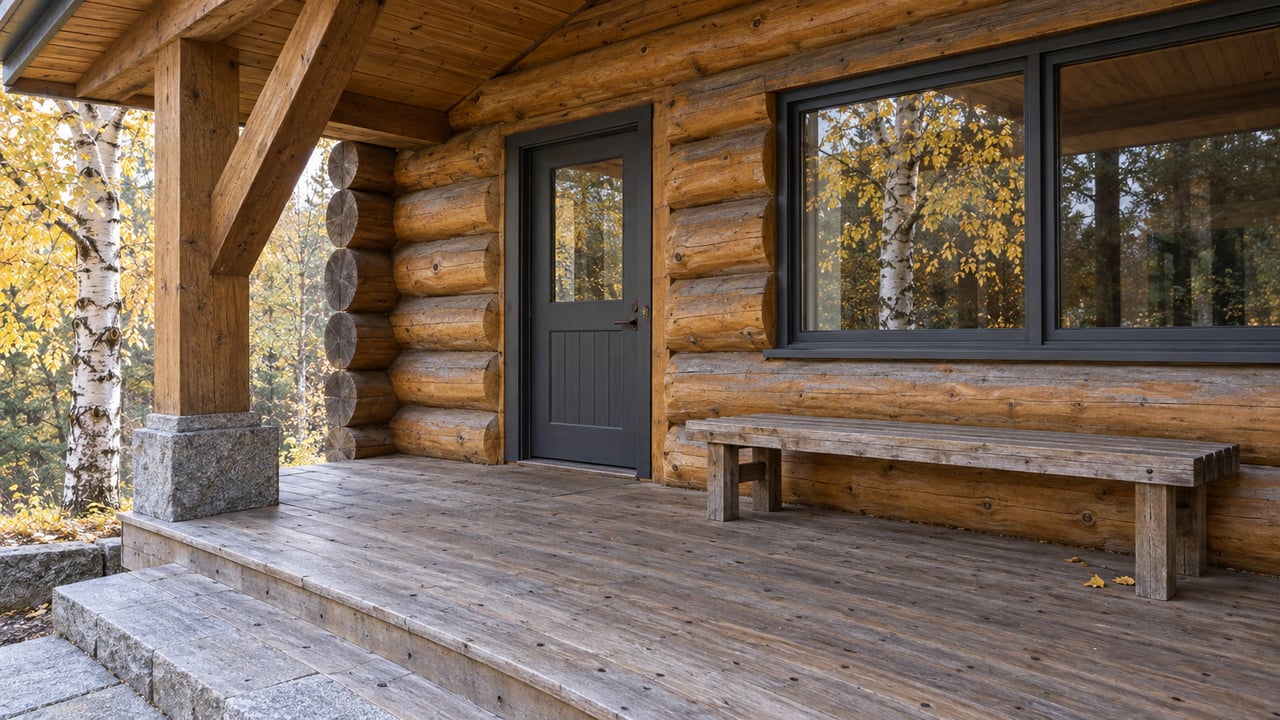
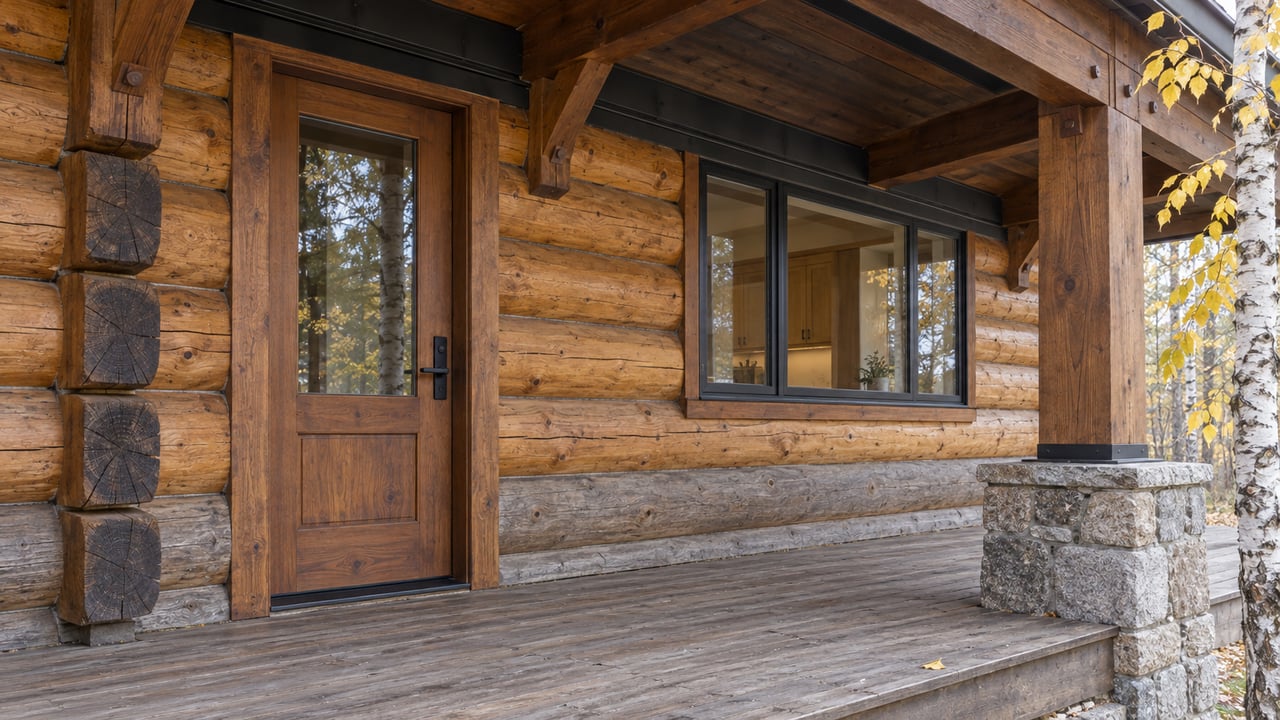
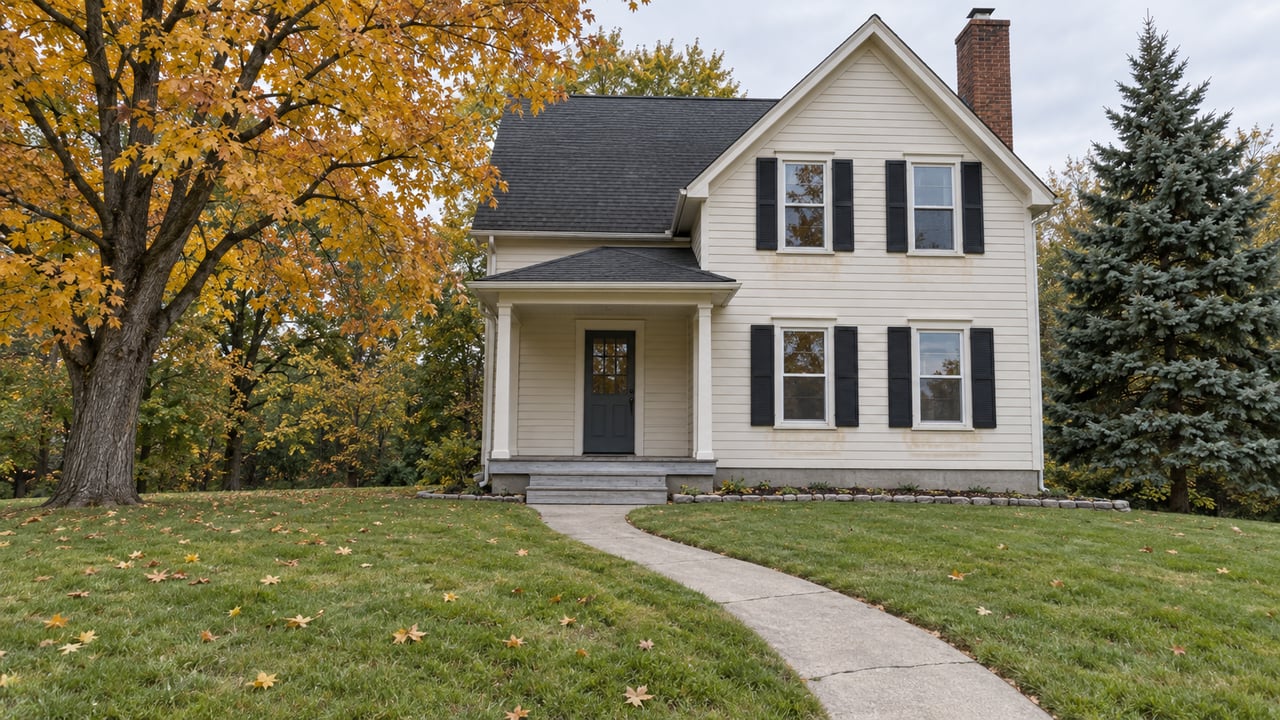
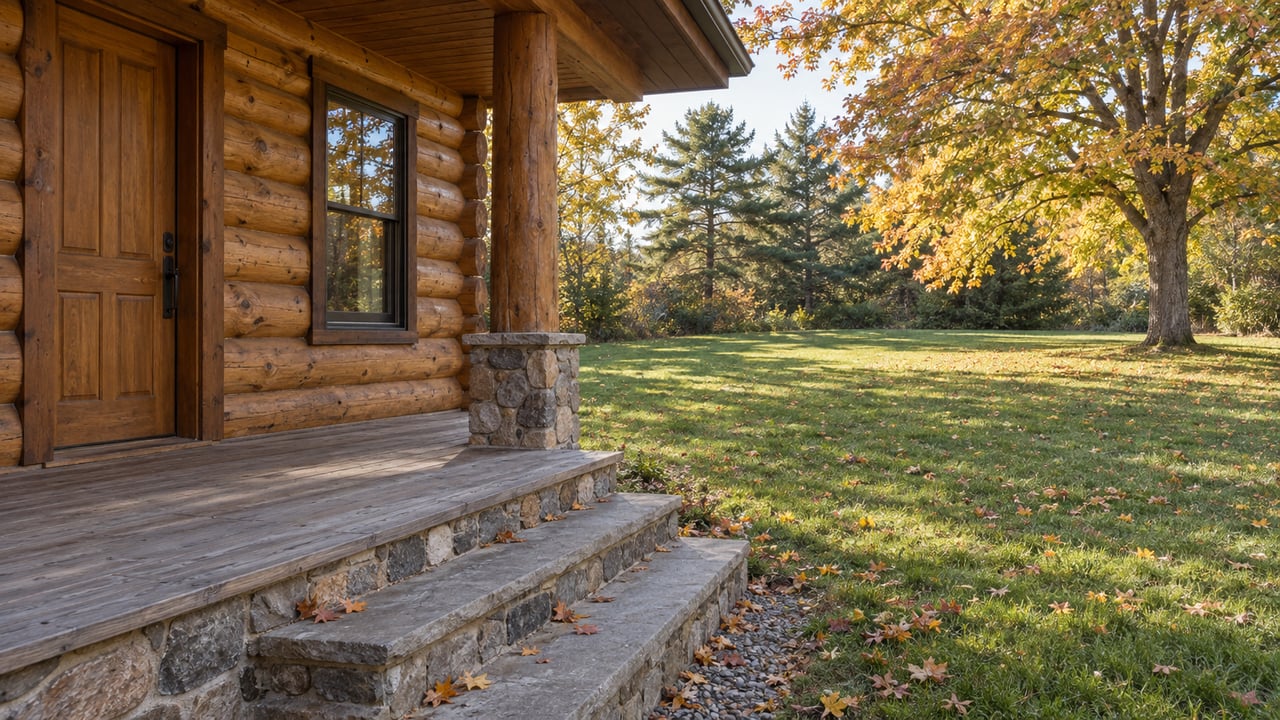
Detached single-family homes are still the baseline option many newcomers picture first. These may include older in-town homes, newer subdivision properties, and homes on larger lots depending on where you search.
If you want more space, a yard, or a longer-term home base, this category may offer the most variety. It can also give you access to a wider range of ages and styles, from traditional homes to newer construction.
Apartments and Smaller Rentals
Compact rentals play an important role in Bemidji’s housing mix. The city report counted 1,242 studio or one-bedroom rental units, which made up 32.3% of all rented units.
That is useful if you are moving alone, downsizing, or looking for a temporary landing spot before buying. Smaller units may also be one of the more realistic options when rental availability is tight.
Townhomes and Attached Housing
Attached housing is clearly part of the local market as well. Townhomes can appeal to buyers or renters who want less exterior maintenance and a more streamlined setup.
For some newcomers, that can be a good middle ground between apartment living and owning a detached home. It may also fit buyers who want ownership without taking on a larger property right away.
Multifamily and Other Lower-Cost Formats
The city’s planning materials specifically discuss accessory dwelling units, micro-units, multifamily housing, and manufactured housing as lower-cost forms worth encouraging. That tells you something important about the local conversation: Bemidji is actively thinking about housing variety and affordability.
If your budget is tight or your housing needs are more flexible, it helps to know that smaller-format and alternative housing types are part of the local landscape. They may not fit every move, but they expand your options.
Expect a Mix of Older and Newer Housing
If you are moving from a fast-growing metro, Bemidji’s housing age may stand out. The median year a housing unit was built is 1980, according to the city report.
That does not mean everything is old. The report found that 12.6% of units were built before 1940, 23.3% between 1940 and 1969, and 27.5% since 2000. In real terms, you will likely see a mix of older in-town homes, established neighborhoods, newer subdivisions, and occasional infill or replacement construction.
For you as a buyer or renter, this means condition, layout, and updates can vary widely from property to property. A newer home may offer more current finishes and systems, while an older home may offer a different location, lot size, or character. The key is to compare homes based on your priorities rather than assuming one age bracket is always the better fit.
Rental Searches May Require More Flexibility
If you plan to rent when you arrive, it is smart to prepare for a more competitive process. Bemidji’s rental supply is relatively constrained, and affordability pressure is higher on the rental side.
The city report found that 57.3% of rental units were at or below $1,000 per month in 2022, while 9.0% were at or below $500. Those figures show that lower-priced rentals do exist, but that does not necessarily mean they are easy to secure when vacancy is limited.
A practical relocation strategy may be to start your search early, define your must-haves versus nice-to-haves, and stay open to more than one housing type. If your long-term goal is to buy, a short-term rental can still be a useful bridge while you learn the local market.
Affordable Housing Resources Matter Here
Another part of the housing picture is Bemidji’s dedicated affordable housing layer. The city report counted 678 federally subsidized rental units in 2021, including 120 HUD public housing units, along with about 28 Housing Choice Vouchers.
That is a meaningful part of the local housing ecosystem. For some movers, especially those navigating a transition period, income changes, or a temporary relocation phase, these resources may be relevant to the search process.
Commute and Regional Access
Housing choices are never just about the home itself. You also want to know what daily life looks like once you move.
Bemidji is largely car-oriented. Data USA’s Bemidji profile reported that in 2024, 76.3% of workers drove alone to work, 10.4% carpooled, and 5.94% worked from home. The same source reported an average commute time of 17.4 minutes.
That average commute suggests many residents enjoy fairly short local drives rather than long daily trips. For newcomers, that can open up more flexibility in your search since everyday travel may feel manageable across different parts of the area.
Bemidji also functions as a regional hub. Visit Bemidji notes that the city is 226 miles from Minneapolis/St. Paul, 145 miles from Fargo, 113 miles from Grand Forks, and 97 miles from Brainerd. With access tied to US Highways 2 and 71, plus Highway 197 referenced in corridor work, the city is well connected for regional travel while still feeling distinctly local.
Lifestyle Is Part of the Housing Decision
In Bemidji, housing and lifestyle are closely linked. If you are moving here, the appeal is not only the home itself. It is also the everyday access to lakes, parks, trails, and outdoor space.
According to Visit Bemidji’s parks overview, the city has 18 parks covering more than 250 acres, with 8,000 feet of shoreland, 3 swimming beaches, 4 boat accesses with docks, a fishing pier, a marina, 13 miles of trails, 4 skating rinks, a disc golf course, a skate park, a dog park, and 10 playgrounds. That is a big part of what makes day-to-day life here different from larger urban markets.
Outdoor access extends beyond city parks. Lake Bemidji State Park offers a sandy beach, hiking and biking trails, boat and paddle rentals, a campground, winter recreation, and access connected to the Paul Bunyan State Trail. For many buyers and renters, that setting is not just a bonus. It is part of the reason to move here in the first place.
What Newcomers Should Keep in Mind
If you are relocating to Bemidji, the clearest takeaway is that this is not a one-price, one-product housing market. You may find older homes, newer builds, apartments, townhomes, multifamily options, and a meaningful affordable housing layer, all within a community where everyday life is shaped by short drives and strong outdoor access.
That variety can work in your favor, especially if you start with a clear plan. Think through your timeline, your monthly budget, your preferred housing type, and whether you want to rent first or buy right away. The more specific you are about your needs, the easier it becomes to sort through a market that offers real choices but not always unlimited inventory.
If you are planning a move to Bemidji or nearby lake communities, working with a local guide can help you narrow options faster and avoid wasted time. When you are ready for thoughtful, local insight, connect with Wendy Steinmetz for relocation guidance tailored to your goals.
FAQs
What is the Bemidji housing market like for newcomers?
- Bemidji offers a mix of detached homes, apartments, townhomes, and some multifamily options, with pricing and inventory varying by source and property type.
Is renting or buying easier in Bemidji for a new resident?
- Renting may require more flexibility because vacancy has been relatively low, while buyers may have a broader range of property types to consider.
What kinds of homes are common in Bemidji, MN?
- Common options include single-family homes, apartments, townhomes, condos, and some multi-family properties, with both older and newer housing in the market.
Are homes in Bemidji mostly older or newer?
- Bemidji has a mixed housing stock, with a median build year of 1980 and a blend of pre-1940 homes, mid-century housing, and units built since 2000.
What is the average commute like in Bemidji?
- Most residents commute by car, and Data USA reported an average commute time of 17.4 minutes.
How does outdoor lifestyle affect housing choices in Bemidji?
- Parks, lake access, trails, and nearby state park amenities are a meaningful part of daily life, so many newcomers consider recreation access alongside price and home type.