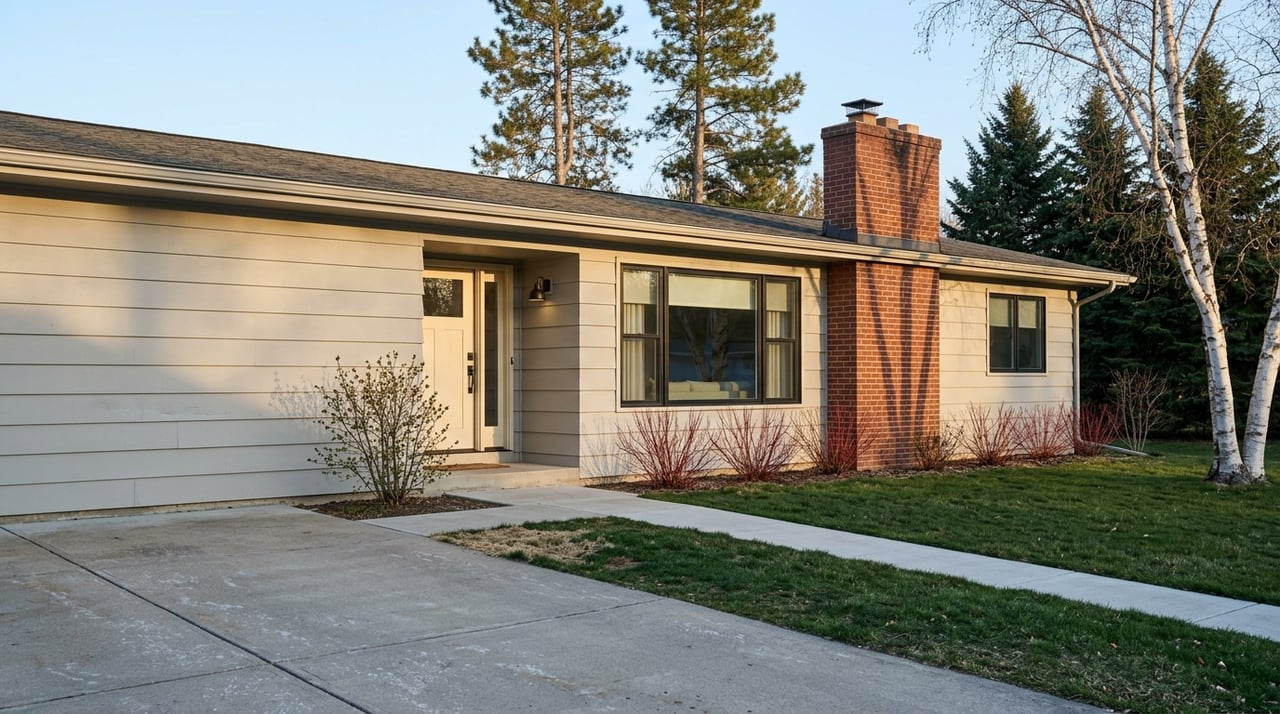
Wondering what kinds of homes you’ll actually see when you start browsing around Bemidji? That is a smart question, because the 56601 area includes more than just in-town neighborhoods. You may come across everything from older bungalows and postwar ramblers to lake cabins, log homes, and newer custom builds. This guide will help you recognize the most common home styles around Bemidji and understand the words you’re likely to see in listings. Let’s dive in.
Why Bemidji Has a Mixed Housing Style
Bemidji’s housing mix reflects the area’s later development compared with some older parts of Minnesota. The Minnesota Historical Society notes that settlement in the region began late in the 19th century, when Beltrami County was still considered one of the state’s last frontier areas, which helps explain why you see more early 20th-century homes, postwar houses, and newer lake properties rather than a large supply of 1800s-era homes. According to the Minnesota Historical Society’s Bemidji background, that local timeline still shapes what buyers see today.
The Bemidji-area market also covers a wide geographic range. The 56601 Census Reporter profile shows 16,089 housing units in the ZIP code, while the City of Bemidji itself has 7,232 housing units, so your home search can include city properties, lakefront homes, and more rural settings.
That broader mix shows up in county housing data too. The Beltrami County housing study found detached single-unit structures make up 70% of county housing, but only 47% in Bemidji, where larger multifamily buildings have a stronger presence. The same report also found a large share of vacant units are seasonal or recreational, which is one reason cabins and vacation-style homes are a real part of the local housing stock.
Cabin and Lake Home Styles
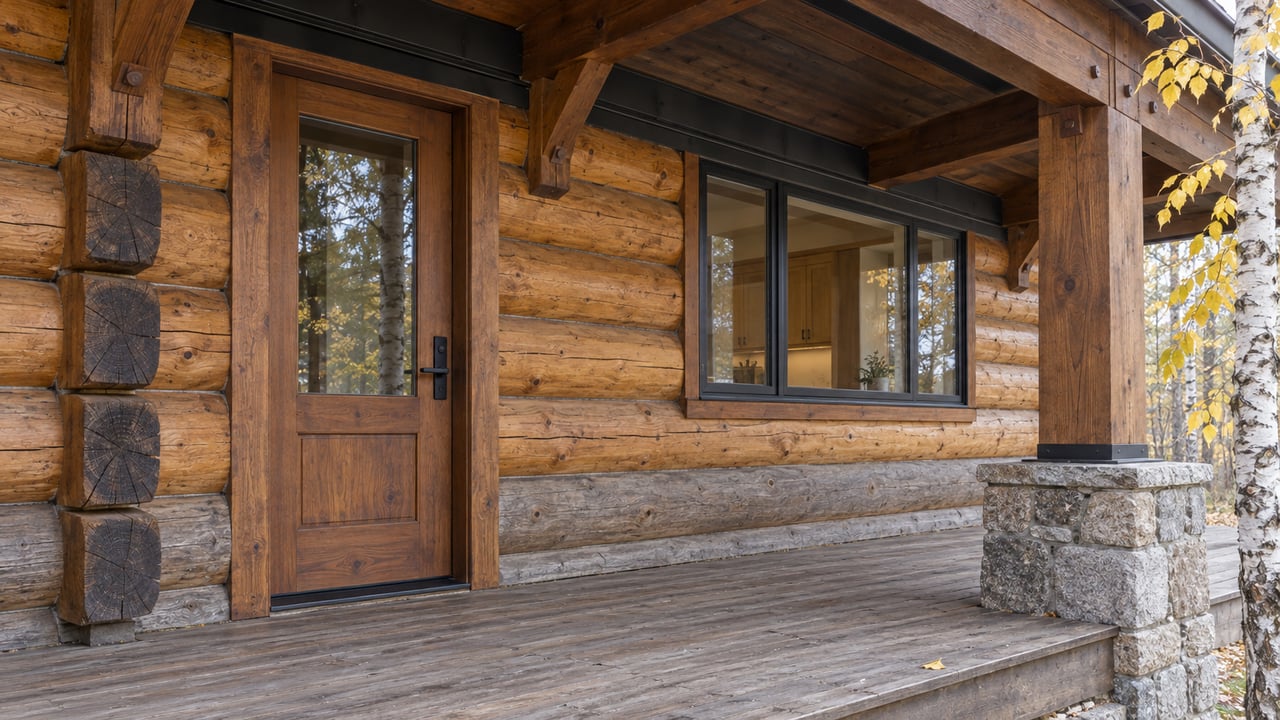
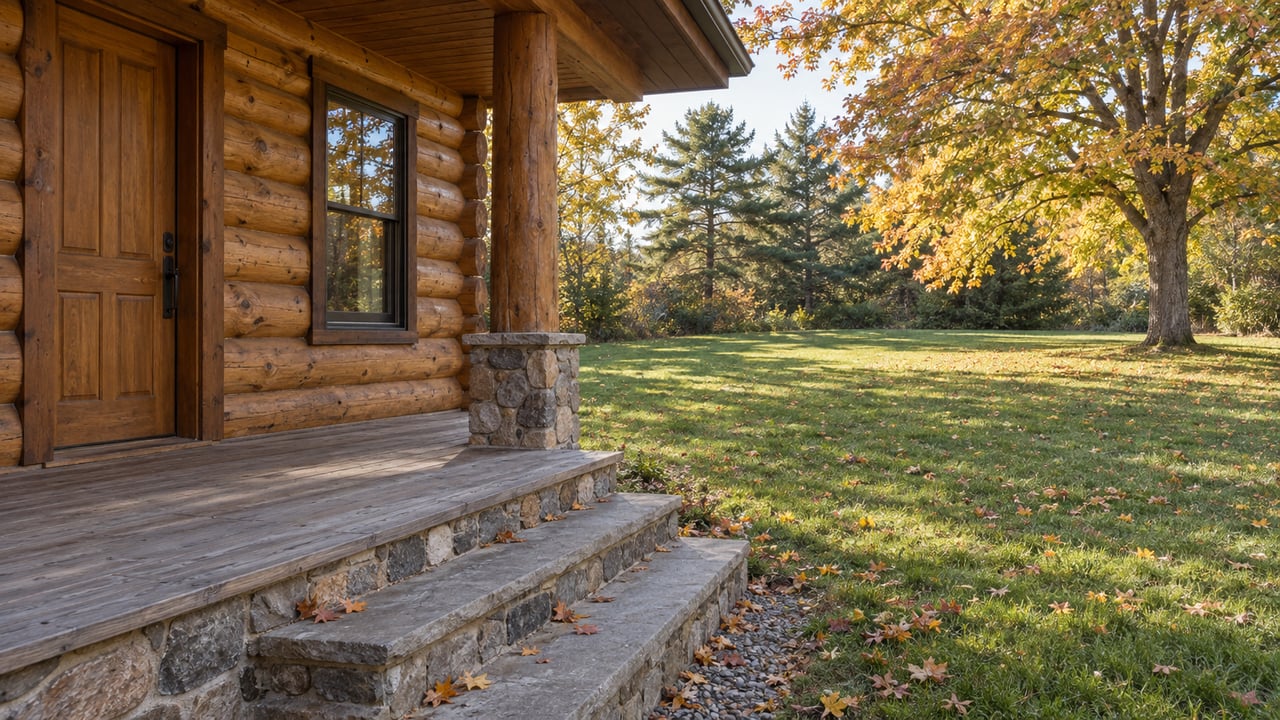
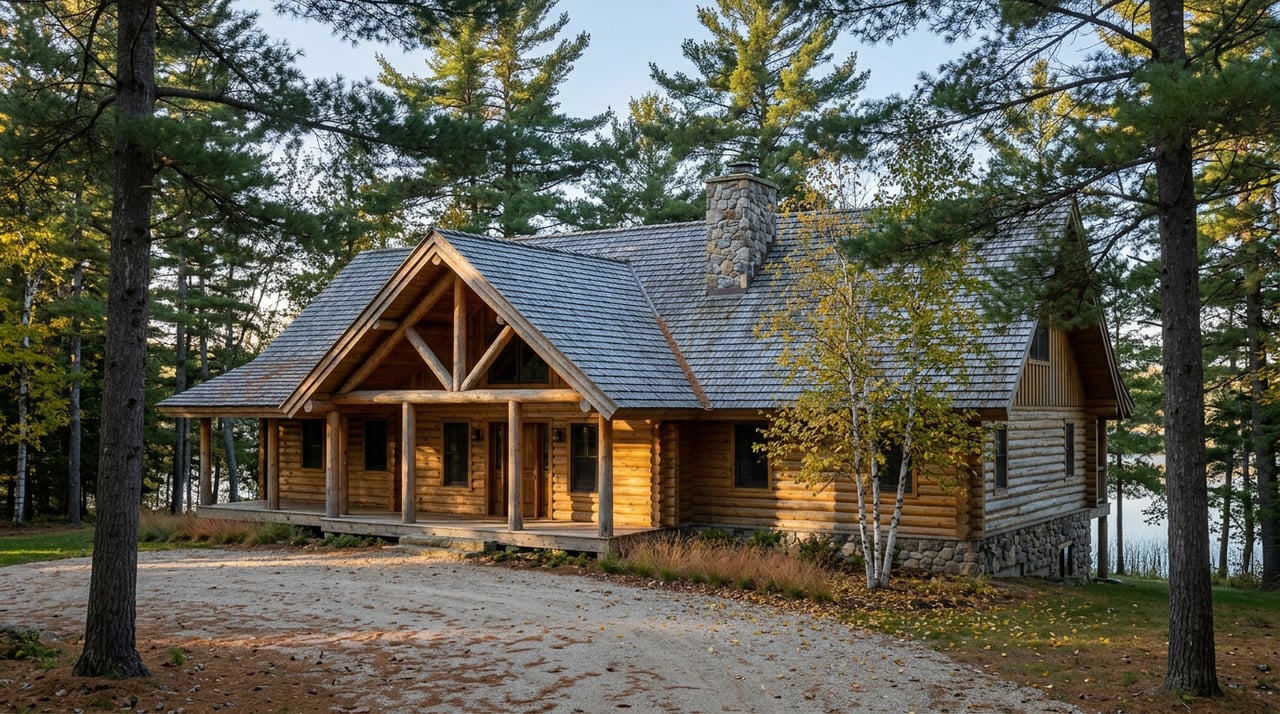
If you picture Bemidji as a lakes-and-woods market, you are not wrong. Cabin-style properties are one of the most recognizable home categories in the area, especially around lakefront and recreational settings. You may see these homes described as cabins, lake cottages, lodges, log homes, or year-round lake homes.
In practical terms, these homes often share a few visual cues. Think wood or log exteriors, stone fireplaces, big windows, porches, and layouts that connect strongly to the outdoors. That “northwoods” look fits the area naturally and matches the kind of lakeside lodging and retreat imagery promoted by Visit Bemidji’s lodging guide.
It also helps to know that these labels are not always exact architectural categories. In Bemidji, a cabin might be a smaller rustic property with a seasonal feel, while a lake home may be a year-round house built for full-time living. A lodge usually suggests a larger home or one with a more amenity-rich, retreat-like feel.
Cabin, Lodge, and Lake Home Terms
When you scroll listings, these words can tell you a lot about how a property may live:
- Cabin often suggests a smaller-scale home with rustic materials and a recreational feel.
- Lodge often points to a larger home with a retreat-style look or layout. Britannica’s definition of a lodge supports that broader recreation-oriented meaning.
- Lake home or lake house is usually the broadest term for a year-round property with a strong connection to the water.
- Log home often describes a home with visible log construction or a log-forward exterior style.
Bungalows and Craftsman Homes
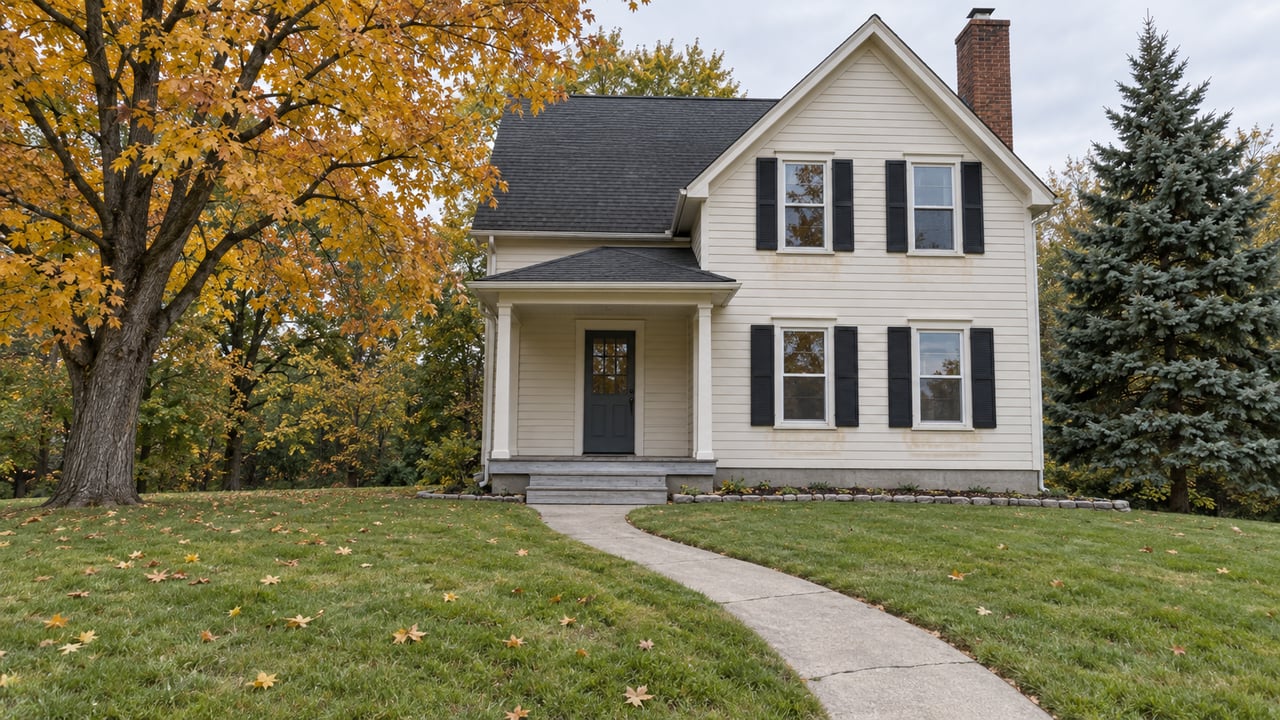
If you are looking at older in-town homes, bungalows and Craftsman-style houses are worth knowing. These homes fit well with Bemidji’s early growth period and are among the styles buyers are most likely to spot in more established residential areas.
According to the Minnesota Historical Society’s architecture guide, the bungalow became popular in the second decade of the 20th century and remained common until World War II. These homes are typically one to one-and-one-half stories tall, often with gable roofs, broad eaves, porches, and strong use of natural wood.
The term “Craftsman” is often used alongside bungalow. In many cases, bungalow describes the overall house type, while Craftsman points to details like built-ins, exposed structural elements, and a more handmade, natural-material feel. In local listings, you may see those labels used together, and in many cases that is reasonable.
What to Look For in a Bungalow
Common features may include:
- One or one-and-one-half stories
- A front porch
- Low or moderate rooflines with gables
- Broad eaves
- Natural wood details
- Interior built-ins or original character elements
If you love older homes with warmth and personality, this is a style family worth watching.
Ranches and Ramblers
Ranches and ramblers are another home type you are likely to see around Bemidji. These homes became especially common in the post-World War II era and are still popular with buyers who want practical layouts and easier single-level living.
Britannica’s overview of the ranch house defines it as a one-level home with a low roof and a generally rectangular, open plan. The Minnesota Historical Society also notes that the “rambler” became a common term in Minnesota during the 1950s, often describing a similar single-level, postwar house type.
In everyday use, many buyers treat ranch and rambler as near-synonyms. That can be helpful during your search, especially if you want a home with fewer stairs, a simpler floor plan, or a lower-maintenance layout.
Search Terms That Can Help
If this style appeals to you, these listing terms may be useful:
- Ranch
- Rambler
- Single-level
- One-level home
It is still smart to look at the photos and floor plan details carefully. Not every one-story home is a ranch, and some may be cabins, cottages, or other home types that happen to share a similar height.
Newer Custom Builds
Bemidji is not just a market of older homes and seasonal properties. The current housing stock also includes a meaningful layer of newer construction, especially in detached homes and some multifamily development.
The Beltrami County comprehensive housing needs analysis found that the median year built for detached single-family homes listed for sale in the county was 1996. Some price ranges in the study centered on homes built in 2004, 2006, and 2013, which suggests buyers should expect a blend of older and newer inventory rather than one dominant era.
In real life, newer custom builds in the Bemidji area may not fit one strict architectural label. You may see modern layouts, open-concept living spaces, vaulted ceilings, and large windows paired with rustic materials like wood beams, stone fireplaces, or northwoods-inspired finishes.
What “Custom Build” Usually Means
In this market, a custom-built home often suggests:
- A newer or individually designed property
- More personalized finishes or layout choices
- A mix of modern features and regional materials
- Design elements inspired by lake living or wooded settings
That is why terms like custom build and northwoods-inspired can be more useful than trying to force every newer home into a narrow style category.
Rare Historic Standouts
Most buyers will focus on the common style families, but Bemidji also has a few notable architectural outliers. These are not typical listings, but they help show the range of design that exists in the area.
The Minnesota Historical Society entry on the David and Wanda Park House highlights it as an outstanding example of Streamline Moderne residential architecture. Built in 1936 and 1937 of poured concrete, it stood apart from the wood construction more typical of northern Minnesota homes.
That kind of property is the exception, not the rule. Still, it is a useful reminder that while Bemidji is known for practical homes, cabins, and lake properties, you may occasionally run into something more architecturally distinct.
How to Read Listing Language
Style labels can help, but they are best used as shorthand rather than hard categories. In Bemidji, the same property might be described in terms of its architecture, its setting, or simply the lifestyle it offers.
That means you will often get the most value by pairing style words with visual cues. A listing labeled as a lake home may be more contemporary than rustic. A one-story property may function like a ranch but look more like a cabin. A custom build may blend modern design with lodge-style finishes.
Useful Bemidji Home Style Vocabulary
As you browse homes around Bemidji, these are some of the most useful terms to recognize:
- Cabin
- Lake home
- Lodge
- Log home
- Bungalow
- Craftsman
- Ranch
- Rambler
- Custom build
- Northwoods-inspired
These words line up well with the area’s housing mix, natural setting, and the kinds of descriptions buyers are most likely to see in local listings.
What This Means for Your Search
If you are searching in Bemidji, it helps to remember that the city and the broader county market do not look exactly the same. The county housing study shows Bemidji itself has a lower share of detached homes and a larger share of multifamily buildings than the rest of the county, while the broader county includes more detached and seasonal housing. That means your style options may shift depending on whether you are focused on in-town living, lakefront property, or a more rural setting.
The good news is that this variety gives you options. You might find an older bungalow with character in town, a practical rambler with a simple layout, or a newer lake home that blends modern comfort with classic northwoods design. Knowing the style vocabulary ahead of time can make your search feel a lot more manageable.
If you want help narrowing down the right fit, Wendy Steinmetz offers thoughtful, local guidance for buyers and sellers across Bemidji and the surrounding lake communities.
FAQs
What home styles are most common around Bemidji?
- Around Bemidji, you are likely to see cabins, lake homes, log homes, bungalows, Craftsman homes, ranches, ramblers, and newer custom-built homes.
What does “rambler” mean in Bemidji-area listings?
- In Bemidji-area listings, “rambler” usually refers to a one-level postwar home similar to what many buyers elsewhere would call a ranch.
What is the difference between a Bemidji cabin and a Bemidji lake home?
- In the Bemidji market, a cabin often suggests a smaller or more rustic recreational property, while a lake home is usually a broader term that can include year-round waterfront living.
Are older historic homes common in Bemidji?
- Older homes do exist in Bemidji, especially early 20th-century houses like bungalows, but the area is better known for a mix of early 1900s homes, postwar properties, and newer lake-oriented housing than for large numbers of 1800s-era homes.
Why do Bemidji home styles vary so much by location?
- Home styles vary because the 56601 area includes the city, lakefront areas, and rural parts of Beltrami County, so buyers may see multifamily housing in town, detached homes in residential areas, and more cabin or seasonal properties farther out.