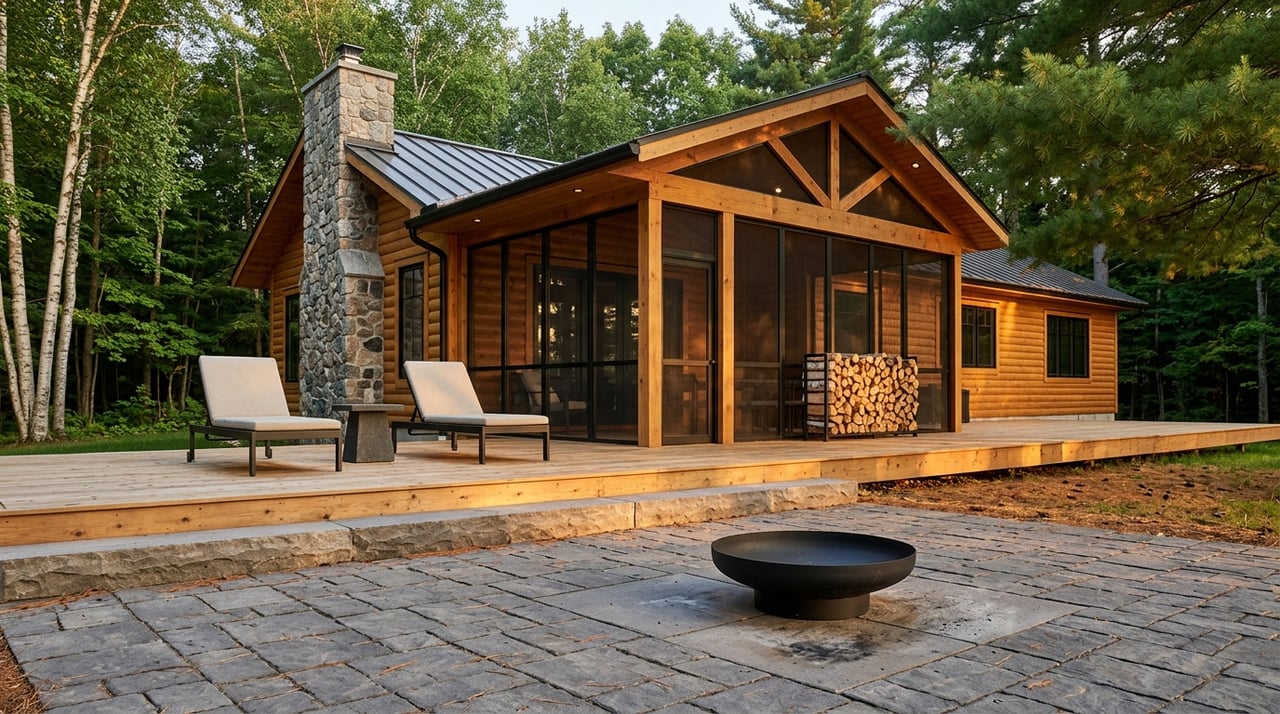
If your idea of a great Bemidji evening includes lake air, a warm fire, or coffee on a covered porch, your outdoor space matters more than you might think. In northern Minnesota, the best exterior upgrades are not just pretty. They need to work with wind, snow, freeze-thaw cycles, and in many cases, shoreland rules. Whether you own a year-round home or a seasonal cabin, the right outdoor living plan can make your property more enjoyable now and more appealing later. Let’s dive in.
Why outdoor living matters in Bemidji
Bemidji is built around the outdoors. From Lake Bemidji to the Mississippi Headwaters and the area’s trail access, local living often centers on time outside.
That makes features like decks, porches, shoreline seating, and fire areas especially relevant for homes and cabins in the 56601 area. When these spaces feel usable, comfortable, and easy to maintain, they support the lifestyle many buyers already want here.
There is also a resale angle. Research cited in the report shows buyers place a high value on private outdoor space, and outdoor improvements can help a home photograph well and attract attention.
Design for Bemidji weather
A beautiful outdoor setup in Bemidji should be weather-smart first. NOAA data for the area shows design highs around 90°F, design lows down to -23°F, a 90 mph basic wind speed, and 57 average annual freeze-thaw cycles.
That combination puts real stress on exposed materials and open-air layouts. It also means you will usually get more long-term value from outdoor spaces that include some protection from wind, moisture, and snow.
Prioritize comfort and durability
In this climate, low-maintenance materials and strong drainage matter. Repeated freeze-thaw cycles can wear down surfaces over time, especially where water pools or snow sits too long.
Roofed or partially enclosed spaces are often a practical choice here. A covered porch, screen porch, or three-season room can give you more usable weeks each year than a fully exposed patio.
Think beyond summer use
The strongest outdoor spaces in Bemidji usually are not designed just for July. They are designed to feel useful in shoulder seasons too.
That might mean adding a covered seating area, choosing a deck layout with a wind break, or creating a fire feature with durable seating nearby. The goal is simple: make the space work in a northern Minnesota climate, not just in perfect weather.
Deck ideas for Bemidji homes and cabins
A deck is one of the most natural outdoor upgrades for this market. It creates a clear gathering area, helps define views, and often photographs well for a future listing.
For lake homes and cabins, a deck can also create a clean transition from the house to the outdoors without overbuilding the lot. That matters in shoreland areas where rules can affect size, placement, and surface coverage.
Covered decks and porches
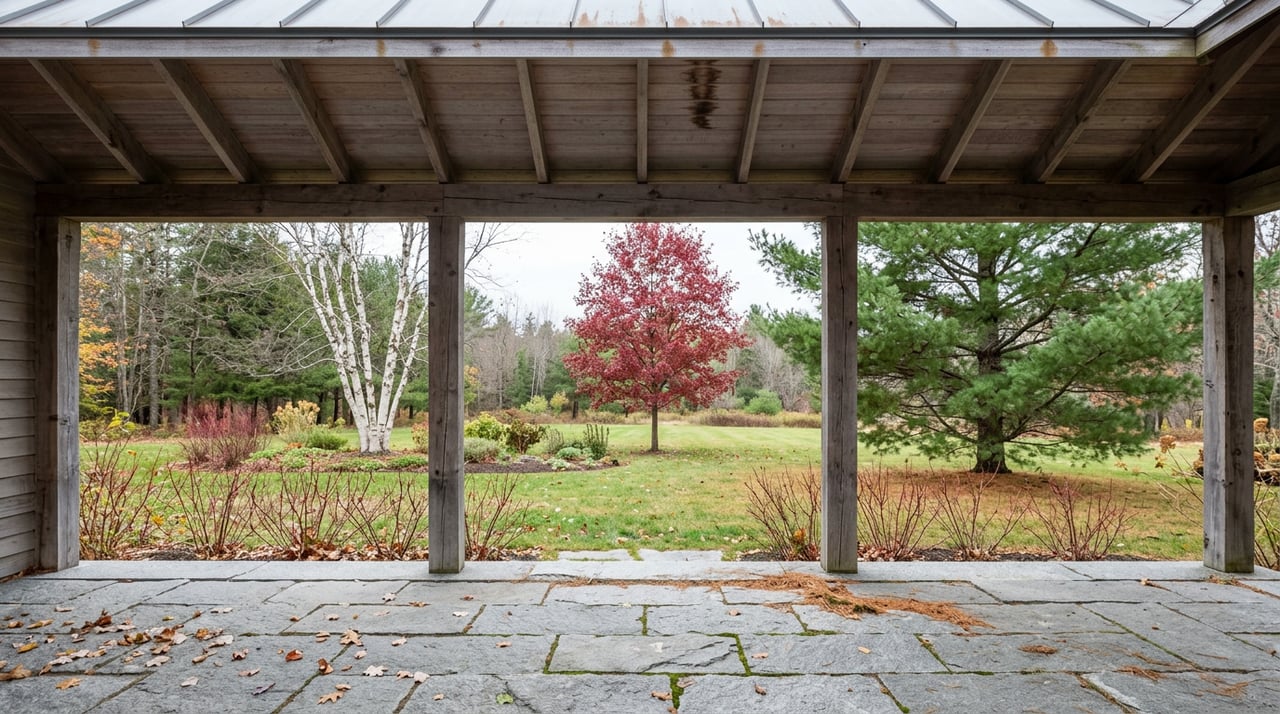
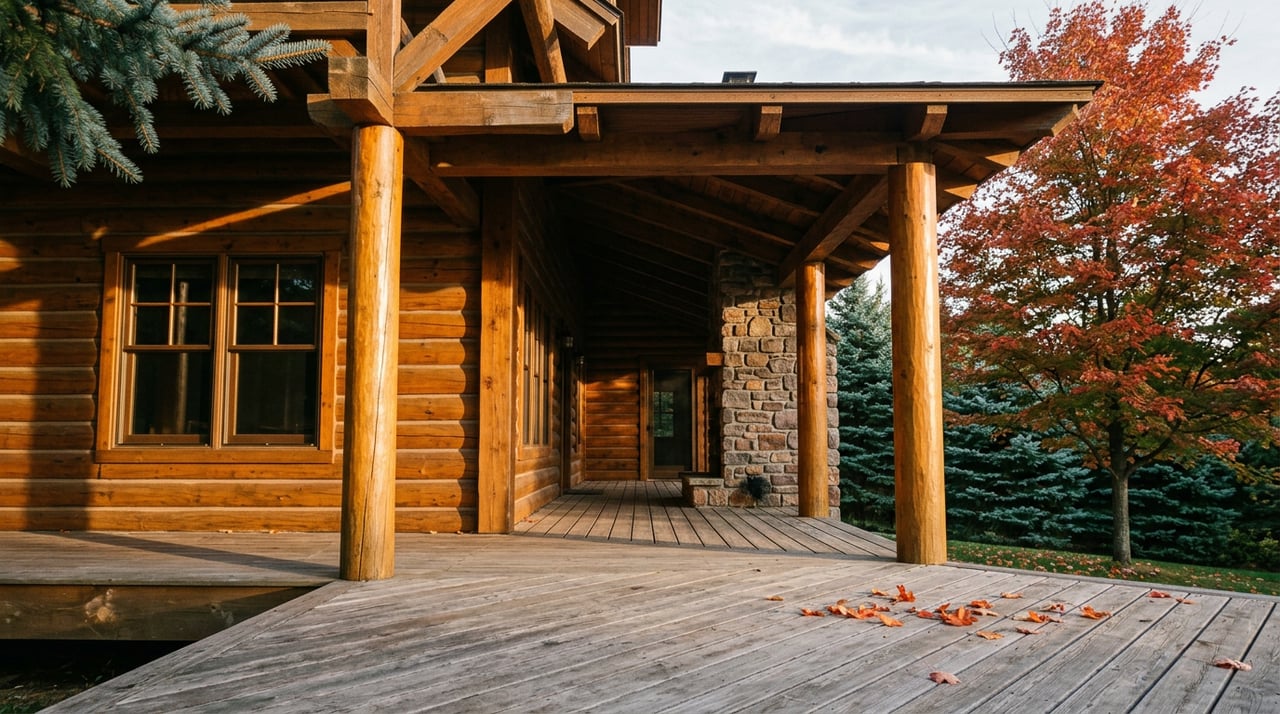
If you want flexibility, a covered deck or porch is hard to beat. It offers shade in summer, helps with light rain, and can feel more comfortable on windy days.
For cabins and lakefront homes, this kind of structure also fits the local visual style well. It feels practical, inviting, and aligned with how people actually use property in the Bemidji area.
Detached and shoreline-adjacent decks
On some shoreland lots, detached decks may be part of the conversation. Beltrami County’s shoreland ordinance allows one water-oriented accessory structure per lot within the required setback, up to 250 square feet and 12.5 feet high.
The ordinance also says detached decks must stay under 8 feet above ground, and the structure must be designed to reduce visibility from the water. This is an important starting point, but not a blanket approval for every lot.
Remember permits and lot coverage
In the City of Bemidji, deck construction is specifically listed as permit work. Planning and zoning review is also used to confirm setbacks and determine whether added approvals may be needed.
If your property is in a shoreland management area, your project may involve both building rules and shoreland rules. The DNR also counts decks, patios, driveways, sidewalks, rooftops, and similar surfaces as impervious area, and Beltrami County caps impervious surface coverage at 25 percent of the lot area.
Porch and patio ideas that extend the season
Patios can work well in Bemidji, especially when they are modest in size and carefully placed. For many owners, the best patio is not the biggest one. It is the one that feels sheltered, easy to maintain, and connected to the home.
A screen porch or three-season room is another strong option. Based on local climate conditions, partially enclosed outdoor spaces often deliver more practical use than fully open seating areas.
Smart patio layouts
If you are planning a patio, think about where snow melts, where wind hits, and how water drains away from the house. In a place with frequent freeze-thaw cycles, layout and surface performance matter just as much as appearance.
Simple seating, clear walking paths, and a clean edge between hardscape and landscaping usually go further than trying to pack too many features into one area. In listing photos, that cleaner look often reads better too.
Firepit ideas for Bemidji backyards
A fire feature is one of the easiest ways to make an outdoor space feel inviting. It suits the local lifestyle, supports shoulder-season use, and creates a natural place to gather.
That said, size and placement matter. Minnesota rules define a recreational fire as a fire with a total fuel area of 3 feet or less in diameter and 2 feet or less in height.
Follow Minnesota fire rules
Recreational fires must be at least 25 feet from buildings or combustible materials. They also must be at least 10 feet from on-site LP-gas containers, monitored until extinguished, and burned only with allowed materials such as wood, small branches, brush, or charcoal.
If the fire is larger than that recreational standard, it becomes open burning and falls under DNR regulation. Before burning brush or planning anything larger, check current state burning restrictions.
Keep the setup simple
In most Bemidji yards or cabin sites, a simple circular or square seating area around a properly sized fire feature is enough. Add durable chairs, a stable surface, and some wind protection if possible.
For resale, this kind of setup tends to present well. It looks clean, usable, and tied to the way buyers picture spending time outdoors in northern Minnesota.
Shoreline seating and lake access ideas
If you own a lakefront property, the best outdoor plan often works with the shoreline instead of forcing a major change. In many cases, smaller and more natural-looking improvements are the better long-term move.
The Minnesota DNR says shoreline vegetation is the single most important thing owners can maintain or restore. Natural shoreline vegetation helps protect lakes and can support property value by helping keep lakes clean.
Preserve vegetation where possible
Limited clearing is allowed for water views and for features like stairways, landings, picnic areas, access paths, and beach or watercraft access. Intensive clearing, however, is prohibited in shore and bluff impact zones.
That means a neat path to the water or a small sitting area may be more appropriate than opening up the entire shoreline. For many properties, that approach also creates a more natural and attractive lakefront feel.
Choose small-scale access features
On bluff or steep-slope lots, the DNR prefers stairways, lifts, and landings over major grading. These features should also be kept visually inconspicuous where practical.
In real life, that often means a simple stairway, a modest landing, or a tucked-in seating spot can outperform a large hardscape terrace. It is easier on the lot, often easier to approve, and usually a better fit for the setting.
Outdoor upgrades that help resale
Not every exterior project adds the same kind of value. In Bemidji, the strongest upgrades are usually the ones that feel polished, practical, and easy to understand in photos.
Think about the spaces that help buyers instantly imagine how they would use the property. That might be morning coffee on a covered deck, evening conversation around a firepit, or a calm path leading toward the water.
Features that tend to show well
A few outdoor elements often stand out in listing photos and showings:
- A well-defined deck or porch
- A simple, tidy fire feature
- A clear and maintained path to the shoreline
- Seating areas that feel usable, not crowded
- Natural vegetation that frames the lot without blocking all views
For sellers, that matters. Research in the report shows private outdoor space is important to buyers, and clean, weather-smart outdoor areas can strengthen your home’s presentation.
Permits and shoreland rules to check first
Before you build, expand, clear, or grade, confirm what applies to your property. In Bemidji and Beltrami County, that often means looking at both building requirements and shoreland requirements.
In the City of Bemidji, most projects require a building permit, and deck construction is specifically listed as an example. Planning and zoning review is used to check setbacks and determine whether additional approval may be needed.
In Beltrami County’s shoreland management area, building permits are required for any structure, and shoreland alteration permits are required for dirt work or changes to land or trees. The county also notes that the City of Bemidji administers its own shoreland zones rather than the county.
A few questions to ask early
Before starting an outdoor project, it helps to ask:
- Is the lot in a shoreland area?
- Will the project affect setbacks?
- Will the work add impervious coverage?
- Does the plan involve clearing vegetation or changing grade?
- Is a building permit, shoreland permit, or both required?
Those answers can shape the project from the start and help you avoid expensive revisions later.
If you are thinking about buying or selling a Bemidji home or cabin, outdoor living is often part of the bigger value story. A calm, well-planned exterior space can improve how you live in the property today and how buyers respond to it tomorrow. If you want guidance on what features make sense for your lot, your goals, and your market timing, Wendy Steinmetz can help you think it through with local perspective and care.
FAQs
What outdoor living features work best for Bemidji homes?
- Covered decks, porches, screen porches, modest patios, shoreline seating, and simple fire features are strong options because they fit Bemidji’s outdoor lifestyle and northern climate.
Do Bemidji decks and patios need permits?
- In the City of Bemidji, deck construction is specifically listed as permit work, and many projects also need planning and zoning review for setbacks and approvals.
Do decks and patios count toward shoreland lot coverage in Beltrami County?
- Yes. The DNR includes decks, patios, driveways, sidewalks, rooftops, and similar surfaces as impervious area, and Beltrami County caps impervious surface coverage at 25 percent of the lot area.
Can you clear shoreline brush on a Bemidji lakefront lot?
- Limited clearing is allowed for views and access features, but intensive clearing is prohibited in shore and bluff impact zones.
How big can a backyard firepit be in Minnesota?
- A recreational fire can have a total fuel area of 3 feet or less in diameter and 2 feet or less in height. Larger fires are treated as open burning.
Can you build close to the water in Beltrami County shoreland areas?
- Sometimes, but setbacks vary by water-body classification, and shoreland rules for water-oriented structures are only a starting point. Your specific lot details matter.
What outdoor upgrades help resale for Bemidji cabins and homes?
- Outdoor spaces that look clean, usable, and weather-smart tend to support resale best, especially covered seating areas, tidy fire features, clear water access, and well-maintained natural shoreline vegetation.